The name is grim, and it is meant to be. "Pig butchering" is a translation of a phrase used by the criminal networks that run these scams: the victim is the pig, fattened up with attention and small wins before being slaughtered. Unlike the old boiler-room call promising you a hot stock, this fraud starts with what looks like an ordinary friendship or romance and only turns to money weeks later. That patience is exactly what makes it so effective and so devastating.
The Federal Trade Commission reports that investment scams now cause more reported losses than any other fraud category, and much of that surge is driven by these crypto-based long cons. Understanding the script is the single best defense.
How the con actually unfolds
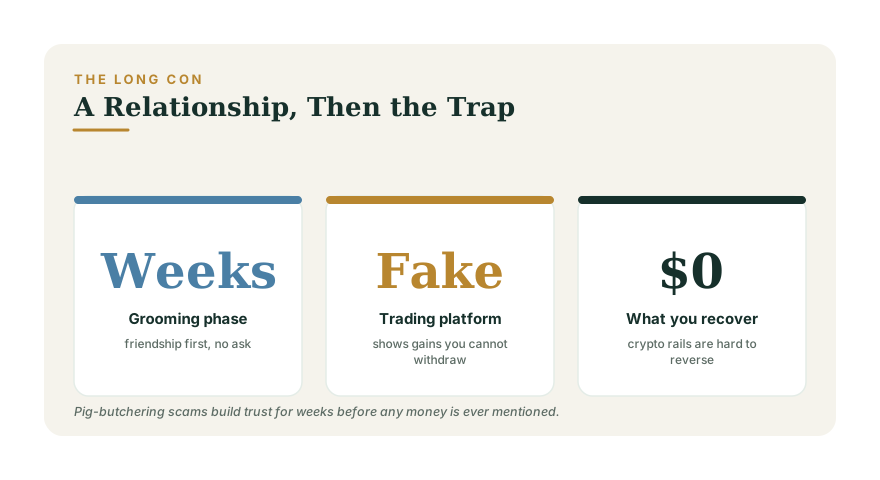
It almost always begins with a message that seems like a mistake. A stranger texts "Hi David, are we still on for lunch?" or connects on a dating app, a professional network, or a social platform. When you reply that they have the wrong number, they are warm and apologetic, and a pleasant conversation starts. Over days and weeks they become a genuine-feeling friend or love interest — attentive, successful, seemingly wealthy. Money is never mentioned early. That is the grooming phase, and it is designed to lower your guard.
Eventually they let slip that they make excellent returns trading crypto, through a special platform or an "uncle" with inside knowledge. They do not pressure you. They offer to show you, help you set up an account, and walk you through a small first deposit. The platform looks professional, and your balance climbs. You are even allowed to withdraw a small amount early — proof it is real. That withdrawal is the hook.
Why the fake platform is so convincing
The trading site is entirely controlled by the criminals. The charts, the gains, the account balance — all fabricated numbers on a screen. Because you moved real crypto into it, you feel invested and validated when the balance shows a profit. Encouraged, you add more, sometimes borrowing or draining retirement savings. When you finally try to withdraw a large sum, the story changes: you must pay a "tax," a "fee," or "unlock" the account first. Each payment is another loss. The account is never released, because the money was gone the moment you sent it.
Why crypto makes recovery so hard
These scams route money through cryptocurrency for a reason. Crypto transfers are fast, cross-border, and effectively irreversible — there is no bank in the middle to claw the funds back. Once you send crypto to the scammer's wallet, it is typically laundered through a chain of wallets within hours. This is the opposite of a credit-card charge you can dispute. The broader mechanics of how fraudsters exploit different payment rails are covered in Check Fraud and Payment-App Scams.
The warning signs
- A stranger who contacted you first — wrong number, random friend request, or dating match — steers the conversation toward their investing success.
- You are directed to a specific trading app or website you had never heard of, often not in your phone's app store.
- Early small withdrawals work, building your confidence before larger deposits.
- You are told you must pay taxes or fees to withdraw your own balance.
- The person avoids live video calls or gives excuses, and their story of wealth never quite adds up.
How to protect yourself
The core rule is simple: never take investment advice from someone who first contacted you online, no matter how warm the relationship feels. Legitimate investing does not require a private platform a new friend introduced you to. Keep your investing on established, regulated brokerages and low-cost funds — the sane version of building wealth is laid out in How to Start Investing and How to Spot a Bad Investment. If a platform shows dazzling, steady gains, treat that as a red flag rather than a reason to add money.
These scams increasingly overlap with romance fraud, especially against isolated or older adults — see Romance and AI-Romance Scams. If you have already sent money, stop all payments immediately, report it to the FTC at ReportFraud.ftc.gov and to the FBI's IC3, and do not pay any "release fee," which is simply another round of the same scam.
Slow down, and you win
Pig-butchering works by rushing your emotions while claiming to move at your pace. The antidote is to separate relationships from money entirely and to run any real investing decision past a trusted person or your own written plan first. Sanity-check your investing approach with the Model Portfolios tool and gauge your defenses with the Financial Resilience assessment. When you are ready to build a real, boring, effective plan, start at the planning hub.