If you buy a condo, a townhome, or a house in a planned community, you will likely pay dues to a homeowners association. HOA fees are easy to wave off as a minor line item, but they are a real recurring cost that affects both your monthly budget and how much house you can afford — and in a poorly run association, they can deliver expensive surprises.
The fee itself is only half the story. What matters just as much is what the dues cover, how healthy the association's finances are, and whether a big one-time bill is lurking. A little reading before you make an offer can save you from a costly mistake.
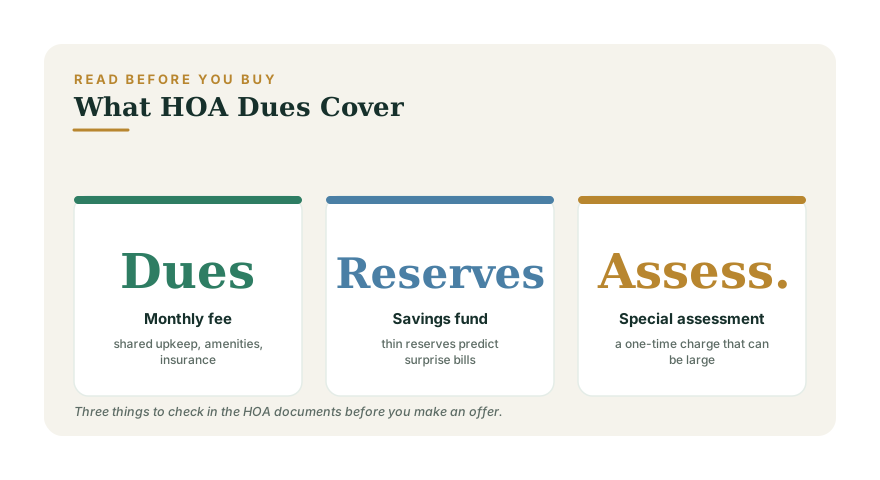
What your dues actually cover
HOA dues pool money from all owners to maintain shared property and services. Exactly what is included varies enormously, so never assume — read the list. Common items:
- Maintenance of common areas — landscaping, lobbies, hallways, elevators, parking, roads, and shared roofs or exteriors in many condos.
- Amenities — pools, gyms, clubhouses, security gates, and similar shared features.
- A master insurance policy — typically covering the building structure and common areas (you still need your own policy for your unit's interior and belongings, as covered in homeowners insurance explained).
- Some utilities — water, trash, or sometimes gas may be bundled in, depending on the community.
Because dues can replace costs you would otherwise pay separately, comparing two homes purely on their sticker dues is misleading. A higher fee that includes water, insurance, and a gym may be a better deal than a lower fee that covers almost nothing. Fold the full dues into your budget when you run how much house you can afford.
Reserve funds: the number that predicts surprises
A well-run HOA collects more than it spends on day-to-day costs and sets the surplus aside in a reserve fund to pay for big future expenses — replacing a roof, repaving roads, resurfacing the pool. The health of that reserve fund is one of the most important and most overlooked things a buyer can check.
An association with healthy, well-funded reserves can handle major repairs without shocking its owners. An association with thin or depleted reserves is a warning sign: when a large expense arrives, the money has to come from somewhere — and that somewhere is you. Ask for a copy of the association's reserve study, which estimates upcoming major costs and whether the reserves can cover them.
Special assessments: the bill that can blindside you
A special assessment is a one-time charge the HOA levies on every owner when reserves cannot cover a major expense — a failed roof, an unexpected repair, a lawsuit, or new code requirements. These can range from a few hundred dollars to many thousands, and you usually cannot opt out. A unit with affordable monthly dues but a looming special assessment can blow a hole in your budget right after you buy.
This is precisely why reserves matter: thin reserves make special assessments more likely. When you are evaluating a community, read recent meeting minutes for any mention of upcoming projects, deferred maintenance, or assessments under discussion. An assessment that was just voted on, or is obviously coming, is something you want to know about before you sign.
Read the HOA documents before you buy
When you go under contract, you are typically entitled to review the HOA's governing documents, and you should treat that window as essential homework, not a formality. Focus on:
- Financial statements and the budget — is the association running a surplus or a deficit?
- The reserve study — how well-funded are reserves against known future costs?
- Recent meeting minutes — any talk of special assessments, lawsuits, or major repairs?
- The CC&Rs and rules — the covenants that dictate what you can and cannot do, from paint colors to pets to whether you can rent the unit out (crucial if you ever considered the strategies in short-term rentals).
- The history of dues increases — fees that climb fast tell you something about how the place is run.
Making the dues part of your decision
HOA fees are not inherently bad; a well-run association maintains property values and spares you from handling shared maintenance yourself. The goal is to buy into a financially healthy one and to price the dues — and the risk of an assessment — honestly into your budget. Treat them as part of the full cost of owning, the way we do in the true cost of homeownership, and walk through the rest of the purchase with the first-time homebuyer roadmap before you commit.