A windfall is any large, often one-time influx of money you were not living on: a work bonus, an inheritance, a legal settlement, a home-sale profit, a vested stock payout, or a lucky break. It arrives with a strange emotional charge — part relief, part temptation — and that is exactly why so much of it disappears. The single most valuable thing you can do with a windfall is nothing, at first. A calm, ordered game plan turns a lump sum into lasting progress instead of a story about money that slipped through your fingers.
Step one: do nothing for a while
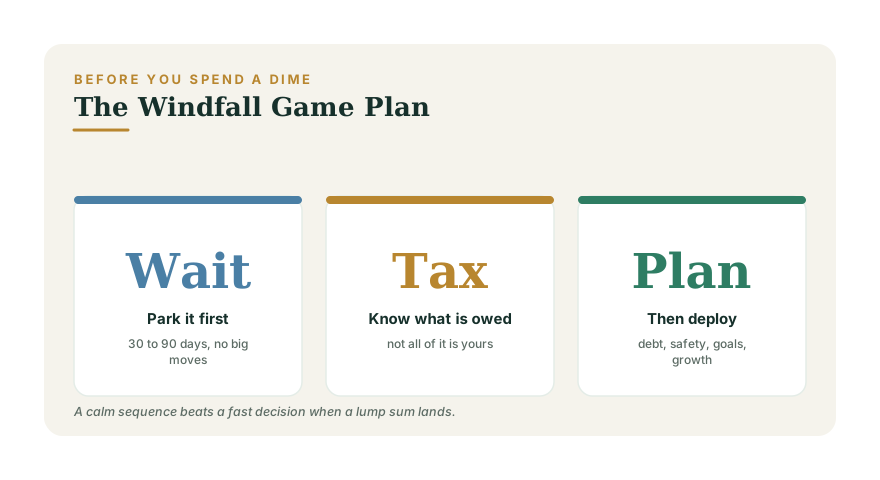
Park the money somewhere safe and boring — a high-yield savings account or money-market fund — and give yourself thirty to ninety days before any major decision. This cooling-off period does two things. It lets the emotional charge fade so you decide with your head, and it protects you from the flood of "opportunities" and requests that tend to appear when word gets out. No new car, no big gift, no hot investment tip until the timer runs out. The broader mindset here is covered in Managing a Windfall.
Step two: figure out what is actually yours
Not all of a windfall is spendable, because some of it belongs to the tax authorities — and the rules differ sharply by source:
- A bonus is ordinary income and is taxed as wages; the specifics are in Managing a Bonus.
- An inheritance is generally not income to you, though inherited retirement accounts and later gains have their own rules — see Inheriting Money: What to Do.
- A settlement may be partly or fully taxable depending on what it compensates.
- Vested stock or a home sale can trigger capital gains.
Before you allocate a single dollar, estimate the tax and set that portion aside so it is not spent by accident. The Capital Gains Estimator helps for asset sales, and the IRS is the authority on how different receipts are taxed. When in doubt on a large sum, a one-time consult with a tax professional pays for itself.
Step three: deploy in order
Once the money has cooled and the tax is carved out, put the rest to work in a sensible sequence rather than all at once toward whatever feels urgent:
- Kill high-interest debt. Paying off credit cards or other high-rate debt is a guaranteed, tax-free return equal to the interest rate you were paying. Nothing safe beats it — see Should You Pay Off Debt or Invest?.
- Top up the safety net. Fill your emergency fund to a full three-to-six months if it is short. A windfall is a rare chance to do this in one move.
- Fund near-term goals. Seed the sinking funds and short-term savings for things you already know are coming.
- Invest the rest for the long term. Whatever remains after debt and safety belongs in low-cost, diversified investments aligned with your timeline, ideally inside tax-advantaged accounts where eligible.
Following a consistent order like the financial order of operations keeps you from optimizing one goal while neglecting a more important one.
Lump sum or spread it in?
For the invested portion, you will face the classic question of investing it all at once versus feeding it in gradually. The evidence generally favors lump-sum investing over time, but dollar-cost averaging can be the right choice for your nerves — the trade-off is laid out in Dollar-Cost Averaging vs Lump Sum. Use the Opportunity Cost Calculator to see what a chunk of the windfall could become if invested rather than spent — the numbers are often the best defense against impulse.
Let it change your trajectory, not just your month
The difference between a windfall that matters and one that evaporates is rarely the amount — it is the plan. Park it, tax it, then deploy it in order, and allow yourself a small, deliberate slice for something enjoyable so the discipline feels human. Map the full deployment at the planning hub, and use the Financial Resilience assessment to confirm the windfall leaves you genuinely more secure, not just briefly richer.