A sudden windfall — an inheritance, a large bonus, a legal settlement, equity from selling a company, even a meaningful lottery win — sounds like the answer to every money problem. Yet a striking number of recipients are no better off, or worse off, a few years later. The money itself is rarely the issue. The first ninety days are, and the entire difference comes down to whether you act deliberately or impulsively.
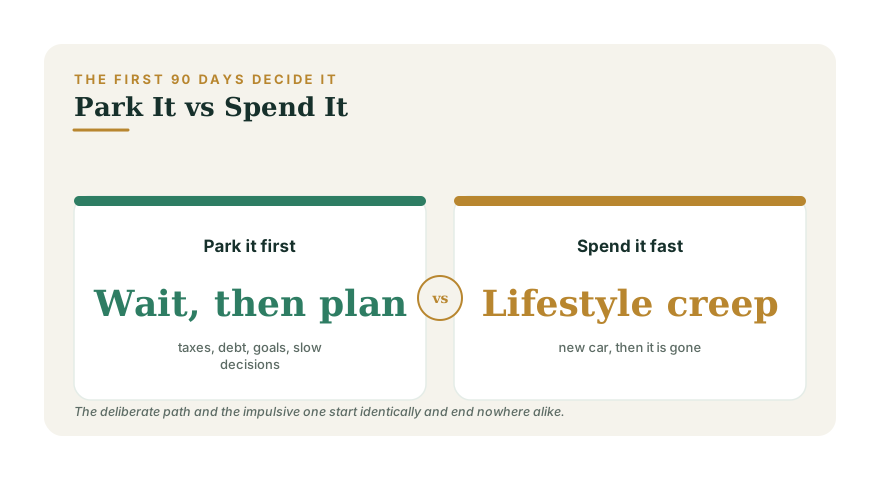
Park it first — do absolutely nothing for a while
The most powerful move is the one that feels like inaction. Put the money somewhere boring and safe — a high-yield savings account or a money market fund — and commit to making no major decisions for a set cooling-off period, often a few months. This single habit defuses nearly every windfall mistake: the impulse purchase, the relative with a "sure thing," the salesperson who appears the moment you come into money. Cash parked in a safe account loses nothing by waiting, and waiting buys you a clear head. There is no prize for deploying the money quickly.
Use that pause to resist the people, not just the purchases. A windfall attracts pressure from friends, family, and advisors. "I'm still figuring out my plan" is a complete and final answer to all of them.
Account for taxes before you count the money
Not every windfall is fully yours. The tax treatment varies enormously, and assuming the whole number is spendable is a classic, expensive error. A cash bonus is ordinary income and heavily taxed. A lottery prize is taxable. An inheritance is often not taxed to the recipient, but inherited retirement accounts carry their own withdrawal and tax rules. Selling a business or appreciated asset triggers capital gains tax.
Before you allocate a dollar, figure out — or pay a tax professional to figure out — what you will actually owe, and set that amount aside untouched. For a large or complex windfall, a one-time consultation with a fee-only advisor and a CPA is genuinely worth it. Treat the after-tax figure as your real number.
Pay down high-interest debt — a guaranteed return
Once taxes are reserved, the highest-return, lowest-risk use of windfall money for most people is wiping out high-interest debt. Paying off a credit card charging 22% is the equivalent of earning a guaranteed 22% return, tax-free, with zero risk — something no investment can promise. Clear the expensive debt first: credit cards, then high-rate personal loans. The strategy for ordering it is in Debt Avalanche vs Snowball. Lower-rate debt like a mortgage is a closer call you can weigh later; the urgent wins are the double-digit balances.
Resist lifestyle inflation — the silent killer
This is what quietly drains most windfalls. The danger is rarely one extravagant purchase; it is upgrading your permanent cost of living. A bigger house brings bigger taxes, insurance, and upkeep forever. A luxury car brings higher insurance and payments. Each upgrade raises your monthly baseline, so the lump sum funds a lifestyle your ordinary income then cannot sustain — and within a few years the money is gone and the costs remain. The psychology and defenses are in Lifestyle Creep and How to Fight It. It is fine to enjoy some of a windfall; just carve off a deliberate, capped "fun" slice and protect the rest from your future self.
Build a deliberate plan for the rest
After taxes are reserved, high-interest debt is gone, and an emergency fund is fully topped up, the remainder should serve your actual goals rather than drift. Map it to specific targets — retirement, a paid-off home, a child's education, financial independence — using the framework in How to Set Financial Goals That Stick. Then invest the long-term portion in a simple, diversified, low-cost way rather than chasing whatever is hot; see How to Start Investing.
Top up the boring foundations before the exciting stuff
Before any of the windfall goes toward investing or splurges, make sure the basics are bulletproof, because a windfall is a rare chance to fix them in one move. Fully fund an emergency fund of three to six months of expenses if you do not already have one — there may never be an easier time. Catch up on any neglected retirement contributions, and consider whether the windfall lets you max out tax-advantaged accounts you have been underfunding. Solidifying the foundation first means that when you do invest the remainder, you are doing it from genuine stability rather than building on sand.
Watch out for the predators a windfall attracts
Sudden money draws a crowd: commission-driven salespeople pushing complex products, "can't-miss" investment pitches, and acquaintances with urgent needs. Be especially wary of anyone who creates urgency or promises outsized, guaranteed returns — both are hallmarks of a bad deal or a scam. If you want professional help, hire a fee-only fiduciary advisor who is paid for advice rather than for selling you products, and keep the parked-cash discipline until you have a written plan. The slower you move, the harder it is for anyone to separate you from the money.
Done deliberately, a windfall can genuinely change your trajectory. Park it, tax it, clear the expensive debt, hold the line on lifestyle, top up the foundations, and assign every remaining dollar a job. Sketch the allocation and watch its long-run impact on the planning hub.