A tax refund is one of the few times a large lump sum lands in your account at once, and what you do with it can move your finances meaningfully forward — or quietly evaporate. The key reframe: a refund is not a gift or a windfall. It is money you already earned, that the government held all year and is now returning to you. Treat it with the same intention you would any other dollar of your pay.
First, why your refund exists at all
A refund happens because you had more tax withheld from your paychecks during the year than you actually owed. A modest refund is fine. But a very large refund means you handed the government an interest-free loan all year — money that could have been working for you in every paycheck instead of arriving in one delayed chunk. We will fix that at the end, but first, let us put this year's refund to good use.
The order of best uses
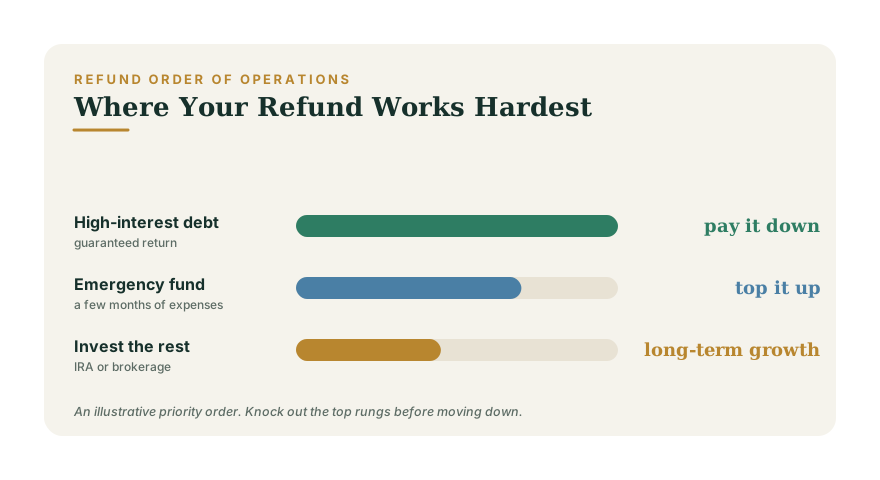
Money does the most good when you apply it in the right sequence. A sensible order for most people:
- 1. Pay down high-interest debt. If you carry a credit card balance at a steep rate, paying it down is the best guaranteed return available — far better than any investment. Eliminating a 22% balance is like earning 22%, risk-free. Start with How to Pay Off Credit Card Debt.
- 2. Build or top up your emergency fund. If you do not yet have a few months of expenses in a high-yield savings account, a refund is the fastest way to get there. This single buffer prevents the next surprise from becoming new debt — see the Emergency Fund Guide.
- 3. Invest for the long term. With debt under control and a cushion in place, put the rest to work. Funding an IRA or a brokerage account turns a one-time refund into decades of compounding. New to it? Start with How to Start Investing.
How to weigh debt against investing
The order above is a strong default, but the debt-versus-invest decision deserves a closer look once your highest-rate balances are gone. For lower-interest debt — say a moderate-rate student loan — investing the money may come out ahead over time, while paying the loan down delivers a smaller but certain return. The full framework is in Should You Pay Off Debt or Invest?. The Opportunity Cost calculator lets you compare the two paths with your own numbers.
A little room for the human side
You do not have to be a robot about it. Earmarking a small slice — say 5 to 10 percent — for something you genuinely enjoy makes it far more likely you will stay disciplined with the rest. The goal is intentional use, not joyless use. Decide the split before the money arrives so the fun portion does not silently expand to consume the whole refund.
The real lesson: fix your withholding
Here is the move most people skip. If your refund is large year after year, that is a sign you are over-withholding — letting too much come out of every paycheck. By adjusting your Form W-4, you can reduce withholding so your paychecks are bigger throughout the year. Instead of waiting twelve months for a lump sum, you get your money as you earn it and can save or invest it immediately, where it compounds for longer.
The ideal is to aim for a small refund or to roughly break even — owing or getting back only a little. That means your money spent the year working for you rather than sitting with the IRS. If you are unsure whether your withholding is dialed in, the W-2 Optimizer and the W-2 Tax Checkup help you tune it.
Put the refund to work this year
The short version: pay down expensive debt, shore up your emergency fund, then invest the remainder — and once the refund is handled, adjust your withholding so next year's "refund" arrives in your paychecks instead. If this is your first filing season, pair this with How to File Your Taxes for the First Time, and map the lump sum into your broader goals at the planning hub.