When the market drops, it never feels routine. Headlines turn apocalyptic, your account balance is bleeding red, and every instinct screams to do something — sell, move to cash, wait it out on the sidelines. Understanding what volatility actually is, and how often it happens, is the difference between a destructive panic and a calm, profitable shrug. The uncomfortable truth: drops are not a malfunction of investing. They are a built-in, recurring feature, and the price you pay for stock returns.
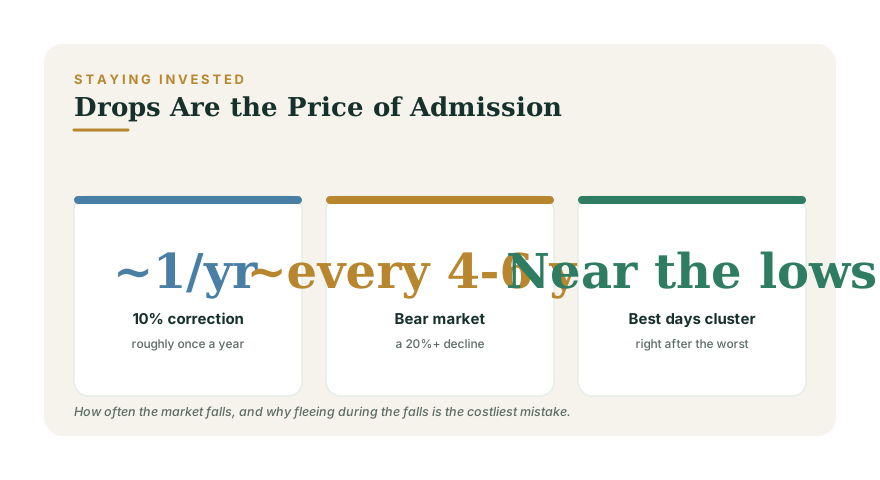
Corrections and bear markets, by the numbers
Two terms get thrown around in every selloff. A correction is a decline of 10 percent or more from a recent high. A bear market is a decline of 20 percent or more. Looking at long stretches of market history, the rough cadence is:
- A 10 percent correction has historically happened about once a year on average.
- A bear market has shown up roughly every four to six years.
- Despite all of them, the broad market has trended upward over long horizons, recovering every single decline to date and going on to new highs.
Once you internalize that a 10 percent drop is roughly an annual event, it stops being a crisis and becomes weather. You do not sell your house every time it storms.
Why time in the market beats timing the market
The intuitive response to a drop is to sell now and buy back when things "calm down." It is intuitive and it is wrong, because the calm and the recovery are invisible until they have already happened. The market's best days have a brutal habit of clustering right next to its worst days, often in the depths of a panic when selling feels smartest.
This is where the famous studies on missing the best days come in. Analyses of decades of returns consistently find that an investor who stayed fully invested earned dramatically more than one who missed just a handful of the market's best-performing days. Miss the ten or twenty single best days over a couple of decades and your total return can be cut by a large fraction or more. And because those best days cluster around the worst ones, the very act of fleeing volatility is what causes you to miss them. You sell after the drop, sit out in cash, and the snap-back rally happens while you are watching. This is the heart of why market timing does not work.
What to actually do when markets fall
The honest answer is anticlimactic: usually, nothing. But "nothing" requires preparation and discipline:
- Have the right allocation beforehand. If a normal drop makes you want to sell, you were holding too much in stocks for your temperament. Fix that during calm times, not during the storm.
- Keep contributing. Automatic investing during a downturn means you are buying shares on sale. This is dollar-cost averaging doing its best work.
- Stop checking the balance. Watching a falling number hourly is a recipe for an emotional decision. The portfolio does not care whether you look.
- Rebalance, do not flee. If anything, a deep drop is a signal to buy stocks back up to your target weight, not to abandon them.
The behavioral core of it all
Volatility is not really a market problem; it is a self-control problem. The market does not lose people money over the long run — their reactions to the market do. The single most valuable skill in investing is the boring ability to do nothing while everyone around you panics. Build a plan you believe in before the next drop, write down why you are invested, and let that plan, not the headlines, make your decisions. If you are still building that foundation, begin with How to Start Investing: A Step-by-Step Guide for Beginners.