Between signing a purchase agreement and closing on a home, two evaluations happen that buyers often blur together: the inspection and the appraisal. They sound interchangeable, but they answer different questions, serve different parties, and protect you in different ways. Understanding the distinction — and the contingencies attached to each — can save you from buying a money pit or losing your deposit.
The difference between the two
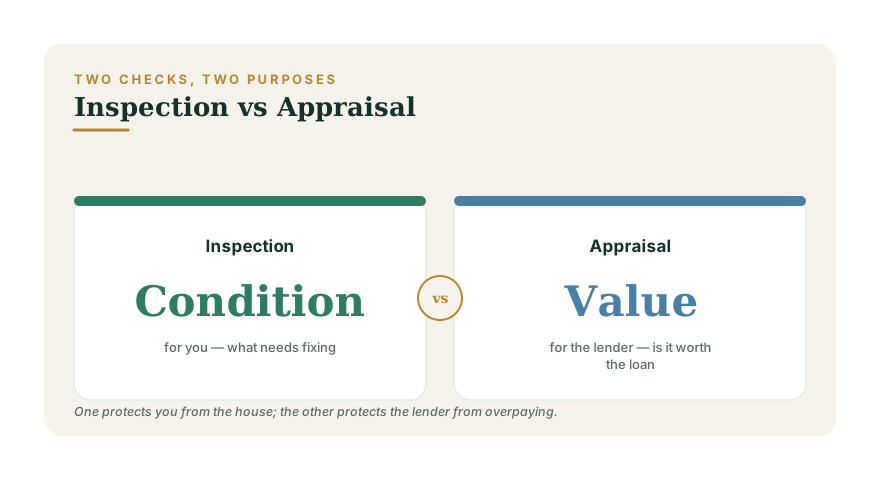
A home inspection is about condition, and it is for you. You hire and pay a licensed inspector, who spends a few hours examining the roof, foundation, plumbing, electrical, HVAC, and major systems, then gives you a detailed report of what is broken, worn, or a safety concern. The inspection is optional in the sense that no one forces it — but skipping it is a serious gamble, because it is your only systematic look under the hood before you own the place.
An appraisal is about value, and it is for the lender. The mortgage company orders it (you typically pay for it as part of closing costs) to confirm the home is worth at least what they are lending against it. A licensed appraiser compares the property to recent sales of similar homes nearby and produces an estimated market value. The lender will not lend more than the appraised value supports — they do not want to be over-extended if they ever have to foreclose.
In short: the inspection protects you from the house; the appraisal protects the bank from overpaying. One looks at the furnace; the other looks at comparable sales.
Contingencies: the clauses that protect you
A well-written purchase offer includes contingencies — conditions that must be met or you can walk away (usually with your earnest money deposit intact). Two are central here:
- The inspection contingency gives you a window to inspect the home and, based on what turns up, request repairs, negotiate a credit or price reduction, or cancel the deal. Without it, a nasty inspection report leaves you stuck.
- The appraisal contingency lets you renegotiate or exit if the appraisal comes in below the agreed price. Without it, an appraisal gap becomes your problem to solve in cash.
In a hot market, buyers are sometimes pressured to waive contingencies to make their offer more competitive. That can win you the house, but it transfers real risk onto you — understand exactly what you are giving up before you do it. These clauses are a standard part of the first-time homebuyer roadmap.
What to do when the appraisal comes in low
A low appraisal is one of the most common deal hiccups. Say you agreed to pay $400,000 but the appraisal comes back at $385,000. The lender will only lend based on $385,000, leaving a $15,000 appraisal gap. You have several options:
- Renegotiate the price. Sellers often prefer to lower the price rather than relist, especially since the next buyer's appraisal will likely land in the same place. The appraisal is leverage.
- Split the difference. You and the seller each absorb part of the gap as a compromise.
- Pay the gap in cash. If you have the funds and truly want the home, you can cover the difference out of pocket — on top of your down payment. Be honest about whether this strains your reserves, the same way you would when deciding how much house you can afford.
- Dispute the appraisal. If you believe the appraiser missed recent comparable sales or made an error, you can submit a reconsideration with supporting data, though success is far from guaranteed.
- Walk away. With an appraisal contingency in place, you can cancel and recover your deposit.
Treat the inspection report as a budget, not just a pass/fail
Even when an inspection does not kill a deal, its findings tell you what the home will demand of your wallet in the coming years — a roof near end of life, an aging furnace, outdated wiring. Fold those into your expectations of the true cost of homeownership so you are not blindsided after move-in.
Going in with eyes open
The inspection and appraisal exist to surface problems while you still have the power to act on them. Keep your contingencies, read both reports carefully, and treat their findings as negotiating leverage rather than red tape. To make sure your finances can absorb a surprise repair bill or an appraisal gap before you make an offer, check the Mortgage Readiness assessment and map your cushion with the Home Affordability Calculator.