A home equity line of credit, or HELOC, is a revolving credit line secured by the equity in your home. You draw on it like a credit card, pay interest only on what you use, and pay it back over time. Because it is backed by your house, the interest rate is far lower than an unsecured loan or a credit card. That same collateral is the catch: fall behind, and you can lose the home. In 2026, with rates off their peak but still meaningful, a HELOC is a precision instrument, not a general-purpose spending source.
How a HELOC actually works
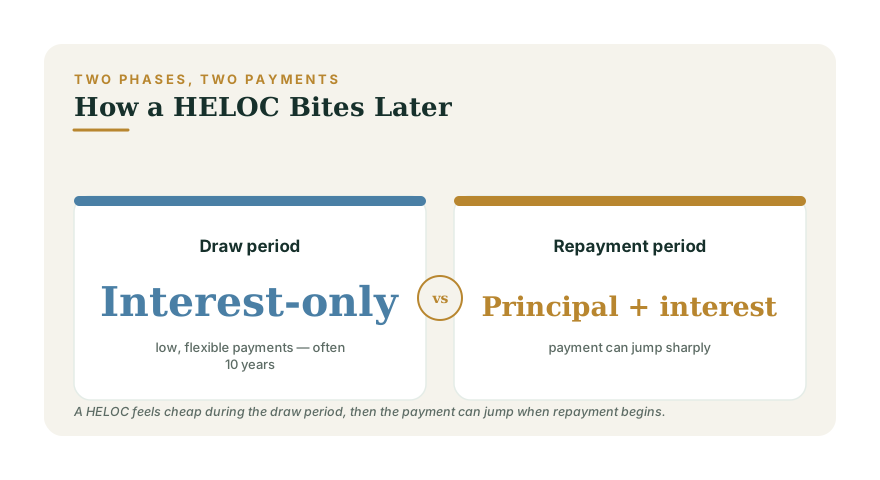
A HELOC has two phases. During the draw period — often around ten years — you can borrow up to your limit, repay, and borrow again, and many lenders let you pay interest only. Then comes the repayment period, when the line closes to new borrowing and you must pay down principal plus interest, typically over ten to twenty years. The payment shock at this transition is real: a comfortable interest-only payment can more than double once principal kicks in. Most HELOCs also carry a variable rate tied to the prime rate, so your payment moves with the market. The differences between a line of credit and a lump-sum home equity loan are laid out in Home Equity Loans vs HELOCs.
What lenders will let you borrow
Lenders cap your total mortgage debt at a percentage of your home's value — the combined loan-to-value ratio — commonly around 80 to 85 percent. So if your home is worth $500,000 and you owe $300,000 on your first mortgage, a lender allowing 85 percent might let you borrow up to about $125,000 on a HELOC. Your income, credit score, and existing debt still have to support the payments. The Home Affordability Calculator can help you sanity-check how much additional debt your budget realistically absorbs.
When a HELOC makes sense
A HELOC earns its keep in a narrow set of situations where the borrowing is either self-funding or genuinely temporary:
- Value-adding home improvements. Renovations that increase your home's worth can justify tapping equity, and the improvements also raise your cost basis, which cuts your taxable gain at sale — the subject of Home Improvements and Cost Basis.
- A bridge you can clearly repay. Covering a short gap — buying before selling, or a timing mismatch on a known inflow — where you have a concrete, near-term source of repayment.
- High-interest debt payoff, with discipline. Replacing double-digit credit-card interest with a lower HELOC rate can work, but only if you stop running the cards back up. Otherwise you have converted unsecured debt into debt secured by your home.
- A standby emergency backstop. Some homeowners open a HELOC and leave it unused as cheap insurance, though this should supplement, not replace, a real cash emergency fund.
When to walk away
A HELOC is the wrong choice for financing a lifestyle, a wedding, a vacation, or a depreciating asset like a car. You would be putting your home on the line for something that produces no return, and the variable rate means the cost can climb. It is also risky if your income is unstable, since the payment can rise just as your finances tighten. And treating the draw period's low payments as permanent is a classic trap — always look at what the repayment-period payment will be. The full ongoing burden of owning a home, before you add borrowing on top, is in The True Cost of Homeownership.
HELOC versus cash-out refinance
If you need a large, one-time sum and rates are favorable, a cash-out refinance may beat a HELOC because it locks a fixed rate on the whole balance. A HELOC wins when you want flexibility — borrow only what you need, when you need it — and when you do not want to disturb a low first-mortgage rate you already hold. In 2026, with many homeowners sitting on cheap pandemic-era mortgages, that last point makes HELOCs attractive: you keep your low first mortgage and borrow against equity separately.
Borrow against your home carefully
A HELOC is cheap, flexible money that becomes dangerous only when it funds things that do not pay it back. Match the borrowing to a clear purpose and a clear repayment plan, budget for the repayment-period jump, and never treat home equity as free spending money. Compare your options with the Refinance Analyzer, and pressure-test your overall borrowing capacity with the Mortgage Readiness assessment before you sign. Map the decision into your wider plan at the planning hub.