A rental property is one of the oldest ways to build wealth, and for good reason: tenants help pay down your loan, the property can appreciate, and the tax code is friendly to landlords. But it is also a small business, not a passive investment. The owners who do well treat it like the job it is; the ones who struggle assumed the rent check would just show up.
Before you buy your first rental, it helps to see clearly what you are signing up for. The reality sits in three places: the work of finding good tenants, the legal duties you take on, and the cash you need on hand for the months when things go wrong.
Screening tenants is the most important thing you do
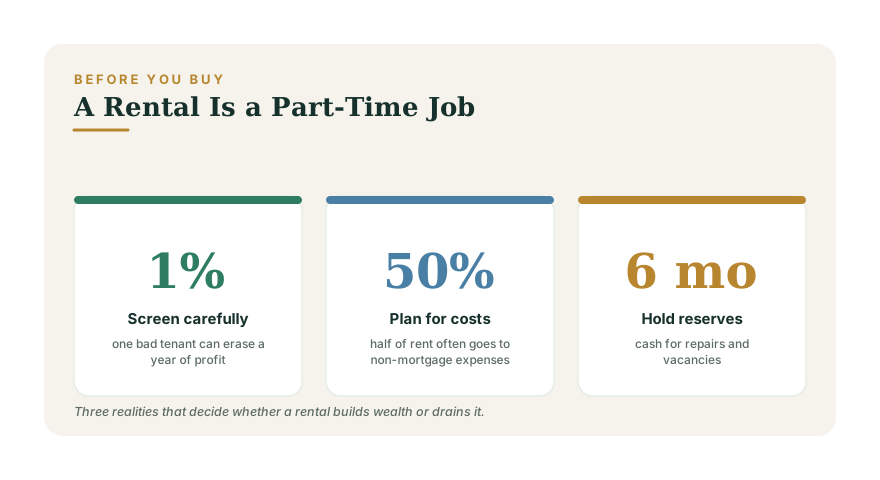
Almost every rental horror story traces back to a tenant who should not have been approved. Good screening is not about gut feeling; it is a consistent process applied to every applicant. That generally means verifying income (a common rule of thumb is income of about three times the rent), checking credit and rental history, calling prior landlords, and confirming employment.
The legal catch: fair-housing law forbids you from rejecting applicants based on protected characteristics such as race, religion, national origin, family status, or disability. The way to stay on the right side of that line is to use the same written criteria for everyone and document your decisions. A clear, consistent process protects you and produces better tenants at the same time.
The legal duties you take on
A landlord is not just a rent collector; you have legal obligations that vary by state and city. The big ones usually include keeping the unit habitable and safe, handling the security deposit according to strict rules (where it is held and how fast it must be returned), giving proper notice before entering, and following a specific legal process to evict — you can never simply change the locks. Many areas also have rent-control or just-cause eviction rules.
None of this is optional, and the penalties for getting it wrong can dwarf a few months of rent. Before you become a landlord, read your state's landlord-tenant statute, or pay a local attorney for an hour to walk you through the must-knows in your area.
Cash flow vs appreciation: know which one you are buying
Rental returns come from two engines. Cash flow is the money left over each month after every expense is paid. Appreciation is the property gaining value over time, which you only realize when you sell or refinance. Many beginners fixate on appreciation because it sounds bigger, but appreciation is a hope, while a negative cash flow is a bill you pay every month.
The danger is buying a property that loses money monthly on the bet that prices will rise. If you guess wrong on appreciation and have to sell during a downturn, the monthly losses can compound the damage. A conservative approach is to buy properties that at least break even or cash-flow modestly, and treat appreciation as a bonus rather than the plan. To pressure-test the math the way you would any property purchase, our Buy vs Rent calculator and the broader question of whether a deal works are worth running before you commit.
Plan for the costs you are tempted to ignore
A frequent beginner mistake is to subtract only the mortgage from the rent and call the rest profit. Real expenses are far larger. A widely used planning shortcut, the "50% rule," assumes that over time about half of the rent goes to non-mortgage costs: property taxes, insurance, maintenance, repairs, vacancy, and property management if you hire it out.
- Vacancy — no property is rented 100% of the time. Budget for empty months between tenants.
- Maintenance and capital expenses — roofs, water heaters, and HVAC systems fail. Set money aside monthly so a big repair is an inconvenience, not a crisis.
- Management — if you do not want the 2 a.m. plumbing call, a property manager typically charges around 8–10% of rent.
This is why reserves matter so much. A landlord without a healthy cash cushion is one furnace or one deadbeat tenant away from real trouble. Keep a dedicated repair-and-vacancy fund separate from your personal emergency fund so a property problem never threatens your household.
The time commitment is real
Even a single rental asks for your time: marketing the unit, screening applicants, coordinating repairs, bookkeeping, and the occasional difficult conversation. It is more passive than a regular job, but calling it "passive income" oversells it. Decide honestly whether you want this role, or whether a hands-off way to own real estate — like the REITs covered here — fits your life better.
Deciding if it is right for you
Becoming a landlord can absolutely build wealth, but only with eyes open: screen rigorously, learn your legal duties, hold real reserves, and buy on numbers that work today rather than on hope. If you are still weighing whether a rental belongs in your plan at all, compare it honestly against simpler options in Real Estate vs the Stock Market, and fold the decision into your overall strategy at the planning hub before you sign anything.