A bidding war is exactly the situation designed to make you overpay. Competition, urgency, and the fear of losing a home you have emotionally moved into combine to push buyers past their budget. The goal is not to "win at any cost" — that is how people end up house-poor — but to compete intelligently, win on terms as much as price, and know in advance the number where you walk away. The tools below help you do that.
Decide your walk-away number first
Before you think about tactics, set a hard ceiling — the price above which you will lose the home rather than overpay. This is the single most important defense against a bidding war, because it converts a heated, emotional auction into a simple yes-or-no decision. Base it on what you can genuinely afford, not on what you are approved to borrow; those are different numbers. Work it out calmly with How Much House Can You Afford? and the Home Affordability calculator, then write the number down and treat it as fixed. A walk-away number set in advance is immune to the adrenaline of the moment.
Escalation clauses: beat the field, up to a limit
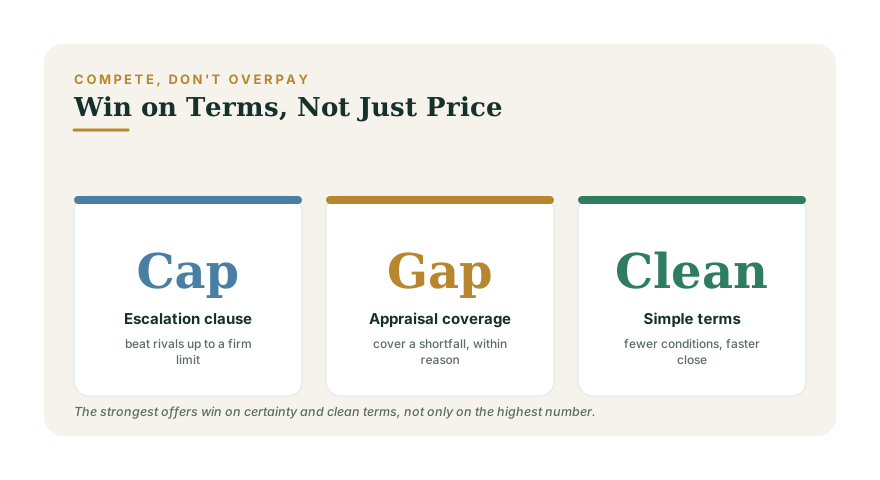
An escalation clause says you will automatically outbid competing offers by a set increment — say $2,000 — up to a maximum you specify. If another buyer offers more, your bid rises just enough to beat them, but never above your cap. The appeal is that you can stay competitive without blindly bidding your absolute maximum on the off chance you need to. The cap should be your walk-away number, so the clause does the work of competing while still respecting your ceiling. Used carefully, it lets you win at the lowest price that actually wins, rather than overshooting.
Appraisal-gap coverage: handle a low appraisal
In a hot market, homes sometimes sell for more than they appraise. Because your lender only finances the appraised value, a low appraisal leaves a gap that you must cover in cash or renegotiate. An appraisal-gap coverage clause tells the seller you will cover a shortfall up to a stated amount — say, the first $10,000 below your offer — making your bid more reliable than one that would collapse on a low appraisal. The key word is limit: agree only to cover a gap you can actually afford in cash, and never blow past your overall budget. This is closely tied to the appraisal contingency described in Earnest Money and Contingencies, Explained.
Clean offers win more than you think
Sellers want certainty as much as a high number. An offer with fewer conditions, a solid preapproval, a reasonable closing timeline, and flexibility on the seller's move-out date can beat a higher offer that looks shaky. Ways to make an offer clean without overpaying:
- Get fully preapproved so financing looks like a sure thing.
- Offer a healthy earnest-money deposit to signal commitment.
- Be flexible on the closing date or offer a rent-back to suit the seller's schedule.
- Limit unnecessary requests — for example, not asking for minor repairs or fixtures.
These cost you little or nothing yet make your offer more attractive than a slightly higher but messier one.
The contingency waivers to think very hard about
Buyers under pressure sometimes waive the inspection or financing contingency to stand out. This can genuinely win deals, but it removes the protections that keep your deposit safe and your purchase sound. Waiving an inspection means buying without knowing the home's true condition; waiving financing means risking your deposit if your loan falls through. If you waive an inspection, at minimum consider a faster "information-only" inspection so you still know what you are buying — more on that process in Home Inspection and Appraisal: What to Expect. Weigh these waivers deliberately, not in a panic.
Keep the war from winning
The healthiest mindset in a bidding war is a willingness to lose it. There will be another house; an overpriced purchase follows you for decades through a higher mortgage and property taxes. Compete with smart terms, cap your escalation and your appraisal-gap exposure, and honor the walk-away number you set when you were calm.
Win on certainty, not just price, and let your budget — not the auction — decide the ceiling. Set that ceiling deliberately with the Home Affordability calculator, and check whether your finances are ready for a competitive purchase with the Mortgage Readiness assessment.