The marketing around credit cards is all rewards: cash back, travel points, sign-up bonuses. For your first card, almost none of that matters. The job of a first card is narrow and boring — open a line of credit you can manage perfectly, and let it quietly build a credit history. Choose for that, and the flashier cards become available later anyway.
Why a first card is about history, not rewards
Lenders trust a track record, and a credit card is the most accessible way to start one. Used well, it reports on-time payments and responsible use to the credit bureaus every month, slowly building the score that later determines your mortgage rate, your car loan, even some apartment and job decisions. A 1.5% cash-back rate is irrelevant next to that. The mechanics of how this history forms are in How to Build Credit From Scratch.
The three kinds of starter card
You will generally be choosing among three types:
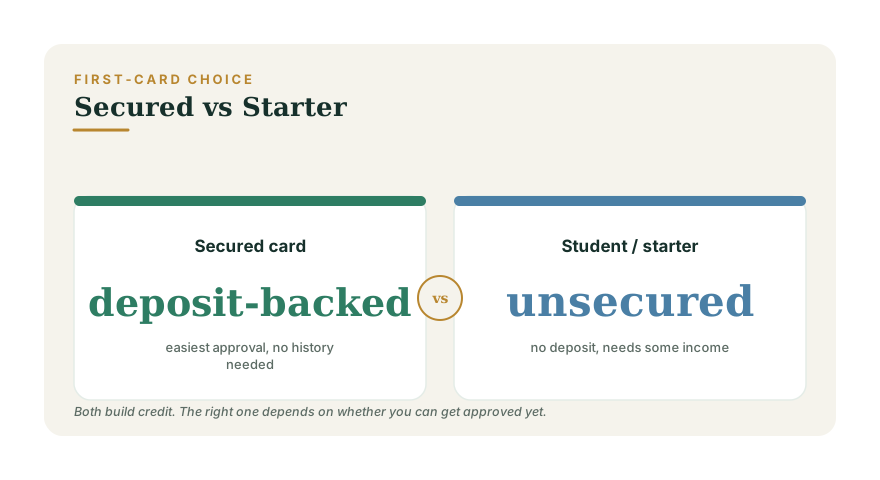
- Secured card. You put down a refundable deposit — say $200 — and that becomes your credit limit. Because the bank's risk is covered by your deposit, approval is easy even with no credit history at all. After several months of on-time use, many issuers refund the deposit and graduate you to a regular card. This is the most reliable starting point; the full walkthrough is in Secured Credit Cards, Explained.
- Student card. An unsecured card aimed at college students. No deposit, easier approval than a standard card, and modest limits. A solid option if you are a student with some income.
- Starter / "first card" product. A basic unsecured card from a major issuer designed for thin or new credit files. No deposit, but it usually wants to see some income and may have a low limit to start.
What to prioritize
For a first card, rank these in order:
- No annual fee. There is no reason to pay a fee on a first card. Plenty of good no-fee options exist.
- Realistic approval odds. Every application can cause a small, temporary dip in your score, so apply for a card you are likely to get. If you have no history, a secured card is the safe bet.
- Reports to all three credit bureaus. This is how your good behavior actually builds a score. Reputable cards do this; confirm it before applying.
- A path to graduate. Prefer a secured card that refunds your deposit and upgrades you, or a starter card known for raising limits over time.
What to ignore (for now)
Several features that dominate card ads should not drive a first-card decision:
- Rewards rates. Cash back and points are nice later, but chasing them on a first card often means a fee, a tempting incentive to overspend, or a card you cannot get approved for.
- Sign-up bonuses. These usually require a large spend in a short window — exactly the wrong behavior for someone learning the ropes. Why they are engineered that way is covered in How Credit Cards Actually Work.
- The APR — sort of. Starter cards often carry high APRs, but if you pay the statement balance in full every month, you never pay interest, so the rate barely matters. Just commit to paying in full.
A simple decision path
If you have no credit history and want the surest approval, start with a secured card. If you are a student with some income, a student card avoids the deposit. If you have a little history or steady income, a no-fee starter card works. In all three cases, pick the no-fee version, set up autopay for the full balance, and keep your spending well below the limit.
After approval
The card itself does little; your habits do everything. The day it arrives, set up automatic full-balance payment and decide to treat it like a debit card. Then keep it for the long haul — closing your oldest card later can shorten your credit history. The day-to-day rules are in How to Use a Credit Card Responsibly, and you can watch how on-time payments and low balances move your score with the Credit Score Simulator.