A credit card sits on a knife's edge. Use it one way and it is a genuinely free tool that builds your credit, protects your purchases, and smooths your cash flow. Use it the other way and it becomes the most expensive debt most households carry, at rates that quietly compound against you. The difference is not luck or income — it is a few repeatable habits.
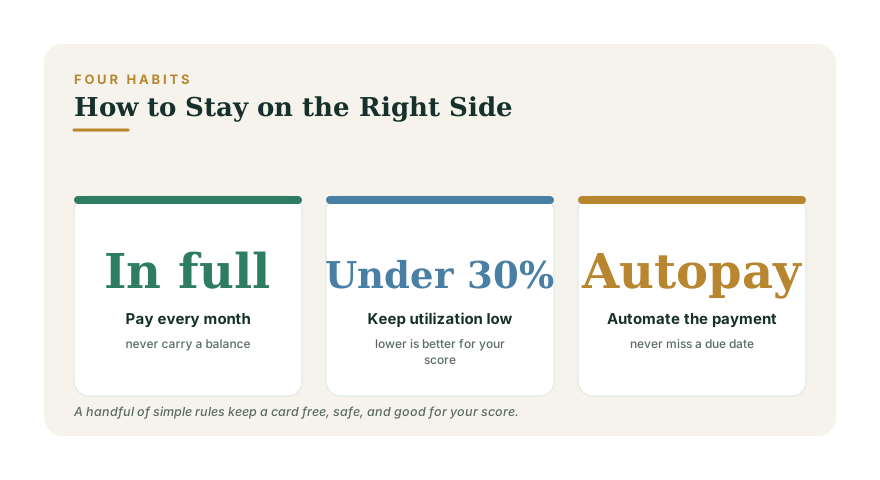
Rule one: pay the statement balance in full, every month
This is the rule that makes all the others optional. If you pay your full statement balance by the due date, you never pay a cent of interest, thanks to the grace period — the timing is explained in How Credit Cards Actually Work. Paying in full is the line between "free tool" and "expensive loan." If you can only ever follow one rule, follow this one.
Rule two: treat it like a debit card
The cleanest mental model is to pretend the card is a debit card. Only charge what you already have the money to cover, sitting in your checking account, right now. The card becomes a convenient, rewards-earning, fraud-protected way to spend money you have — not a way to spend money you hope to have later. This single reframe prevents the slow slide into a carried balance that traps so many people, the dynamics of which are covered in Who Actually Pays Credit Card Interest.
Rule three: keep your utilization low
Your credit utilization is how much of your available credit you are using — balance divided by limit. It is one of the biggest factors in your credit score, second only to payment history. A common guideline is to keep utilization under 30%, and lower is better; people with excellent scores often sit in the single digits.
Two things help here. First, the statement balance is what usually gets reported, so paying down before the statement closes can lower the number the bureaus see. Second, a higher limit (or a second card) raises your total available credit, which lowers utilization even if your spending is unchanged. You can watch how this moves with the Utilization Optimizer.
Rule four: automate the payment
A single missed payment can cost a late fee and, if it goes 30 days past due, can seriously dent your credit score for years. Remove the chance of human error: set up autopay for the full statement balance. That way the right amount goes out on time every month without you remembering. Keep a low-balance alert on your checking account so the autopay never bounces, and glance at each statement for fraud or surprises even though it pays itself.
Rule five: don't chase rewards into spending
Rewards are a rebate on spending you were going to do anyway. They are not a reason to spend more. Earning 2% back while paying 22% interest on a carried balance, or buying something you did not need "for the points," is a net loss every time. Earn rewards on your normal spending, pay in full, and let the cash back be a small bonus rather than the point.
A few habits that keep you safe
- Keep old cards open. Length of credit history helps your score, so avoid closing your oldest card without a good reason.
- Apply sparingly. Each application causes a small temporary dip; space them out.
- Never use cash advances. They charge interest immediately with no grace period, plus a fee.
- Check statements. A quick monthly look catches fraud and creeping subscriptions.
How this builds credit safely
Do these five things and your card reports on-time payments and low utilization month after month — the exact behavior that builds a strong credit score over time. There is no need to carry a balance to "build credit"; that is a costly myth. Paying in full builds credit just as well, for free. For the full path from no history to a solid score, see How to Build Credit From Scratch, and run your own numbers through the Financial Wellness assessment to see where a well-managed card fits in your bigger picture.