By your 40s, your income is often at or near its peak, and so is the demand on it: a mortgage, growing kids, aging parents, and a retirement that is no longer a distant abstraction. This decade is pivotal because it is your last stretch with both high earnings and a long enough runway for compounding to do serious work. Choices made now have an outsized effect on whether your 60s feel secure or stressed.
The theme of the decade is acceleration paired with hard tradeoffs.
Accelerate retirement savings now
If you started late or got knocked off course in your 30s, your 40s are the time to push hard. Direct raises, bonuses, and freed-up cash flow toward retirement accounts, and aim to max out tax-advantaged space — your 401(k) and an IRA — before adding to a taxable account. The reason for urgency is simple: money invested at 42 still has more than two decades to grow, but the same money invested at 55 does not. Check whether you are on pace with Retirement Savings by Age and run your own numbers in the Retirement Planner.
The college-versus-retirement tradeoff
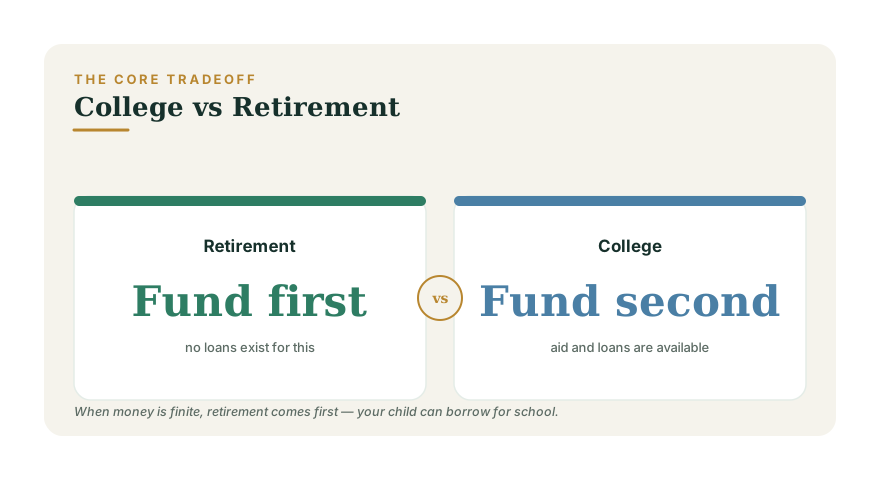
This is the defining money tension of many 40s households. College for your kids feels non-negotiable, but here is the uncomfortable truth: retirement has to come first. Your child has options you do not — scholarships, financial aid, work, and loans. There is no loan for your retirement. Draining your retirement savings or stopping contributions to pay tuition is one of the most common and damaging mistakes of this decade. Fund retirement to your target first; put what remains toward a 529 plan and current cash flow. The College Planner helps you size the goal without sacrificing your own future.
Optimize where your money lives
With more accounts and higher balances, tax efficiency starts to matter. Spreading money across pre-tax (traditional 401(k)), Roth, and taxable accounts gives you flexibility later in how you draw down and manage your tax bracket. If you are in a high-earning year, a traditional 401(k) deduction may be worth more now; in a lower year, leaning Roth can make sense. The broad idea is covered in Roth vs Traditional IRA. Avoid lifestyle creep eating the very raises that should be funding all of this.
Lock down estate basics
By your 40s, with dependents and real assets, estate documents are no longer optional. The core set is straightforward and worth handling once:
- A will that names guardians for minor children and directs your assets.
- Beneficiary designations on every retirement account and life-insurance policy, kept current — these override your will, so a stale ex-spouse listing is a real risk.
- A durable power of attorney and a healthcare directive so someone can act for you if you cannot.
Start with Estate Planning Basics Everyone Needs, and check your readiness with the Estate Readiness assessment.
Don't neglect protection and the parents above you
Keep your disability and term-life coverage adequate as your income and obligations grow. Many people in their 40s also begin helping aging parents, which can mean unexpected costs and difficult conversations. Having those talks early — about their wishes, documents, and finances — prevents crises later and is far easier before a health event forces the issue.
The bottom line for your 40s
Use peak earnings to accelerate retirement saving, put retirement ahead of college when money is tight, get your estate documents in place, and keep your protection current. Do that, and you reach your 50s — the home stretch covered in Financial Planning in Your 50s — with real momentum. Take the Retirement Readiness assessment to see where the gaps are.