Buying a piece of land and building your own home is a powerful idea: pick the exact spot, design the exact house, and skip the bidding wars over existing listings. It can absolutely work. But raw land is one of the most deceptive purchases in real estate, because the lot price is only the opening cost. Financing is harder and pricier, and a long list of site issues — utilities, access, soil, zoning — can turn a "cheap" parcel into a money pit. Here is what to understand before you sign.
Land loans are not mortgages
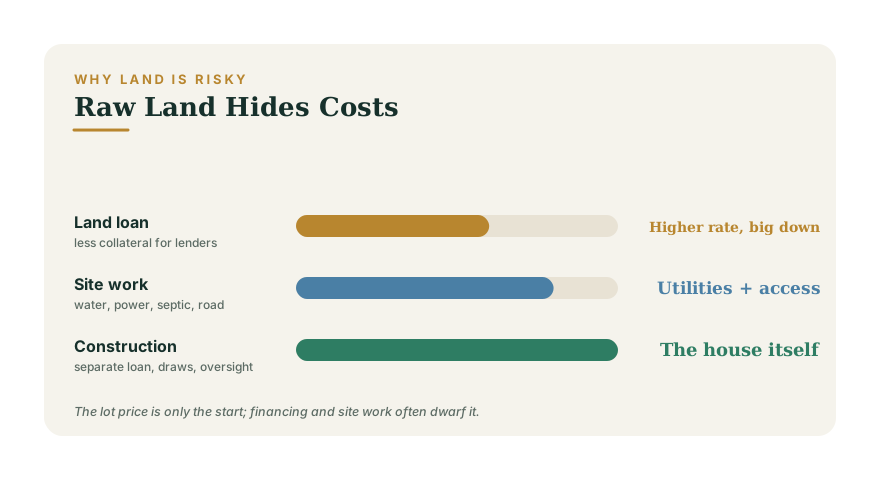
You cannot get an ordinary mortgage on a bare lot, because there is no house to serve as collateral. Instead you need a land loan, and lenders treat these as riskier: expect a larger down payment, a higher interest rate, and a shorter term than a home loan. Raw, unimproved land (no utilities, no road) is the hardest and most expensive to finance; lots that are already "improved" with utilities and access are easier. Get your financing conversation started before you shop, much as you would with a mortgage preapproval, so you know what you can realistically borrow.
Zoning and what you are allowed to build
A beautiful lot is worthless to you if local rules will not let you build the home you want on it. Check the zoning designation, minimum lot sizes, setbacks, height limits, and any easements that restrict where structures can go. Confirm whether the land is buildable at all — some parcels carry deed restrictions, are in protected areas, or sit in a flood zone that triggers expensive requirements. Verify all of this with the county or municipal planning office in writing, not with the seller's reassurance.
Utilities and access: the hidden bill
An existing house comes with water, power, sewer, and a driveway already in place. A raw lot may have none of them, and connecting them can cost as much as the land. Ask:
- Water — is there a municipal connection, or will you need to drill a well (and will it produce enough)?
- Sewer or septic — is there a sewer line, or must you install a septic system?
- Power and internet — how far is the nearest connection, and who pays to run it?
- Road access — is there legal, year-round access, or only an easement across someone else's land?
Each of these can run into five figures. Price them out before you buy, not after.
The perc test and the soil
If the lot needs a septic system, it almost always needs to pass a percolation (perc) test, which measures how well the soil absorbs water. Fail it, and you may not be able to install a conventional septic system — forcing an expensive alternative or making the land effectively unbuildable. A soil and site evaluation also flags issues like rock, a high water table, or unstable ground that raise foundation costs. Make your purchase contingent on these tests passing wherever you can.
Construction loans come next
Once you own the land and are ready to build, you need a separate construction loan. These release money in draws as building milestones are hit, carry interest-only payments during construction, and usually convert to a regular mortgage when the home is finished (a "construction-to-permanent" loan rolls both stages into one). Lenders scrutinize the builder, the plans, and the budget closely, and you typically need a meaningful down payment plus a contingency cushion for overruns, which are common. The broader trade-offs of building versus buying are covered in New Construction vs Existing Home.
Why raw land is riskier than it looks
Stack it up: a pricier loan with a big down payment, uncertain utility and access costs, soil that may not cooperate, zoning that may not allow your plan, and a second construction loan with overrun risk — all before you have a place to live. Land also produces no income and no shelter while you hold it, yet still costs you property taxes and loan interest. None of this means you should not build; many people do it successfully and love the result. It means you should budget for the total project and a generous contingency, the way you would for any home in The True Cost of Homeownership. Before you commit, run the full number — land, site work, and build — through the Home Affordability Calculator to make sure the finished home fits your budget, not just the lot.