Peer-to-peer payment apps — Zelle, Venmo, Cash App, and the bank transfers they ride on — are wonderful for splitting rent and paying a friend. They are also a scammer's dream, because the money moves instantly and is treated much like handing over cash. Once it lands in the recipient's account, getting it back is genuinely hard. Your protection depends almost entirely on one legal distinction that most people do not know until it is too late.
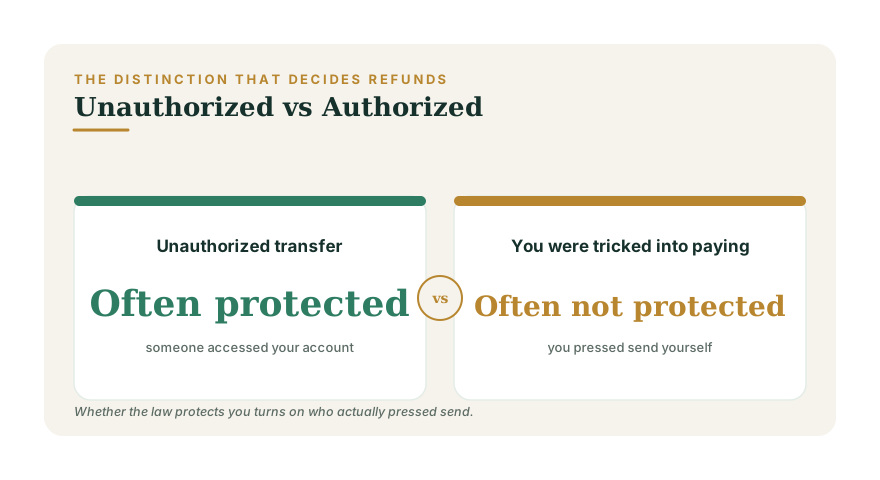
The distinction that decides everything
Federal law — the Electronic Fund Transfer Act and its Regulation E, enforced by the Consumer Financial Protection Bureau — draws a sharp line:
- Unauthorized transfers are ones you did not make: a thief who got into your account and sent money, or a transfer made after your phone or credentials were stolen. These are generally covered, and if you report promptly your liability is limited. The bank or app is typically obligated to investigate and refund unauthorized activity.
- Authorized transfers you were tricked into making are the hard case. If a scammer convinces you to send the money yourself — believing you are paying a real bill, a real seller, or your own bank's "fraud department" — you technically authorized it. Regulation E has historically not required refunds for these "authorized push payment" scams, which is why they are so common.
Scammers work relentlessly to push every fraud into the second bucket, because that is where you have the least protection.
The scams built around that gap
- The bank-impersonation call. You get a text asking if a charge is real. You reply no. A "fraud investigator" calls, sounding official, and says the only way to stop the theft is to Zelle the money to yourself — except the account they give you is theirs. You sent it, so it counts as authorized.
- Marketplace and rental scams. A too-good deal on a couch, a concert ticket, or an apartment deposit. You pay by P2P, and the seller vanishes. P2P apps offer little to no buyer protection for goods.
- Overpayment and "accidental" transfers. Someone sends you money "by mistake" and asks you to send it back; the original was fraudulent and gets reversed, leaving you out the amount you returned.
These sit alongside the broader family of app-based cons in Check Fraud and Payment-App Scams.
How to protect your money
- Use P2P apps only with people you know. Treat sending money to a stranger the same as mailing them cash — because that is the level of protection you have.
- Never move money at the instruction of an inbound caller. Your real bank will never ask you to Zelle yourself or move funds to keep them "safe." Hang up and call the number on the back of your card.
- Slow down on urgency. Every one of these scams relies on panic and speed. A legitimate matter survives a five-minute pause to verify.
- Turn on transaction alerts and two-factor authentication so an account takeover is caught fast — the more-protected category depends on reporting quickly.
- For real purchases from strangers, use a payment method with buyer protection such as a credit card, not an instant P2P transfer.
If you have already sent the money
Act within minutes if you can. Contact your bank or the app immediately and state clearly whether the transfer was unauthorized (someone accessed your account) or one you were induced to send — the words matter for how it is handled. Ask the bank to attempt a recall of the funds. File a complaint with the CFPB at consumerfinance.gov and report the scam to the FTC at ReportFraud.ftc.gov; regulatory pressure has been pushing the major networks to expand reimbursement for certain impostor scams, so a documented report can help. If your identity or account was compromised, follow the recovery steps in How to Recover From Identity Theft.
Speed cuts both ways
The instant convenience of P2P payments is exactly what makes fraud hard to undo, so your best protection is prevention: send only to people you trust, ignore anyone who pressures you to pay right now, and keep purchases from strangers on cards that let you dispute. Pair those habits with the QR-code defenses in QR-Code and Quishing Scams, check your household's readiness with the Financial Resilience assessment, and build the wider safety net at the planning hub.