Discovering that someone has used your identity — a credit card you never opened, a loan in your name, a tax return filed before yours — is genuinely frightening. But identity theft is a solved problem in the sense that there is a clear, well-worn recovery path, and the law is largely on your side. You are generally not liable for fraudulent debts, and the agencies and bureaus have processes built specifically for this. What matters is moving in the right order and writing everything down.
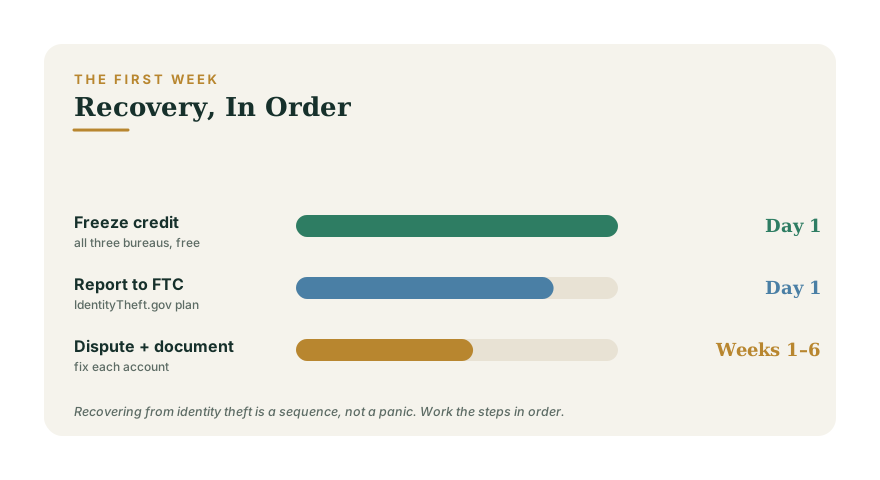
Step 1: Freeze your credit at all three bureaus
The single most powerful move is a credit freeze. A freeze blocks new lenders from pulling your credit report, which stops a thief from opening new accounts in your name. It is free, it does not hurt your credit score, and you can lift it temporarily whenever you legitimately need to apply for something. You must freeze at all three major bureaus separately — Equifax, Experian, and TransUnion — because lenders may check any one of them. A deeper walkthrough is in Freeze Your Credit: The Single Best Fraud Defense.
While you are there, also consider a fraud alert, which tells lenders to take extra steps to verify your identity. A freeze is stronger, but the two work together.
Step 2: Report it to the FTC and get a recovery plan
The federal government runs a one-stop site, IdentityTheft.gov, operated by the Federal Trade Commission. When you report there, it generates an official Identity Theft Report and a personalized, step-by-step recovery plan, including pre-filled letters you can send to creditors. That report is legally useful: it helps you remove fraudulent accounts and block bad information from reappearing on your credit reports. If a thief filed a tax return in your name, also notify the IRS, which has its own identity-theft process and can issue you a protective PIN.
Step 3: Dispute every fraudulent account
With your Identity Theft Report in hand, contact each company where a fraudulent account was opened or charged. Tell them the account is fraudulent, reference your report, and ask them to close the account and remove the charges. Then dispute the fraudulent items with the credit bureaus so they are deleted from your reports. Pull your free reports first so you can see the full damage — Checking Your Credit Report for Errors explains how to read them and what to flag.
For an existing account that was taken over rather than newly opened — say your card was used by someone who got your number — work with that bank's fraud department directly to reverse charges and reissue the account.
Step 4: Document everything
Recovery can take weeks, and you may speak to a dozen representatives. Keep a simple log: date, company, who you spoke with, what they promised, and any reference number. Save copies of every letter and dispute. Send important disputes in writing when you can. This paper trail is what protects you if a "resolved" fraudulent account resurfaces months later, which it sometimes does.
- A folder (paper or digital) with every report, letter, and statement.
- A running call log with names, dates, and confirmation numbers.
- Copies of your Identity Theft Report and police report, if you filed one.
Step 5: Prevent a recurrence
Once the fire is out, harden your defenses so it does not happen again. Leave your credit frozen as the default and only thaw it when you apply for something. Turn on transaction alerts at your bank and card issuers. Use strong, unique passwords with a password manager and two-factor authentication on your financial and email accounts — your email is the master key to everything, and the how-to is in Phishing and Account Takeover: How to Defend Yourself. Most identity theft traces back to a phishing message, a reused password, or a data breach, and a few habits close those doors.
Keep watching after the cleanup
For at least a year, check your credit reports periodically and read your account statements closely. Identity theft sometimes comes in waves as stolen data is sold and resold. A calm, ongoing monitoring habit catches the next attempt early. To pressure-test your overall defenses and find the gaps, run the Financial Resilience Assessment — it covers the protective layers, from freezes to insurance, that keep a single breach from becoming a catastrophe.