Amid the volatility of crypto, stablecoins are the tokens designed to not move. Each aims to hold a steady value — almost always one US dollar — so people can trade, pay, and hold value on blockchains without riding Bitcoin's roller coaster. They have become core plumbing for the crypto economy. But the word "stable" describes a goal, not a promise, and understanding how a given stablecoin keeps its peg tells you how much to trust it.
What a stablecoin is trying to do
A stablecoin is a crypto token engineered to track a stable reference, usually the dollar, so one token is worth about one dollar at all times. That stability makes it useful as a medium of exchange and a place to park value between trades. The critical question with any stablecoin is what stands behind the peg, because that backing is the whole basis for the promise that a token equals a dollar.
The three main designs
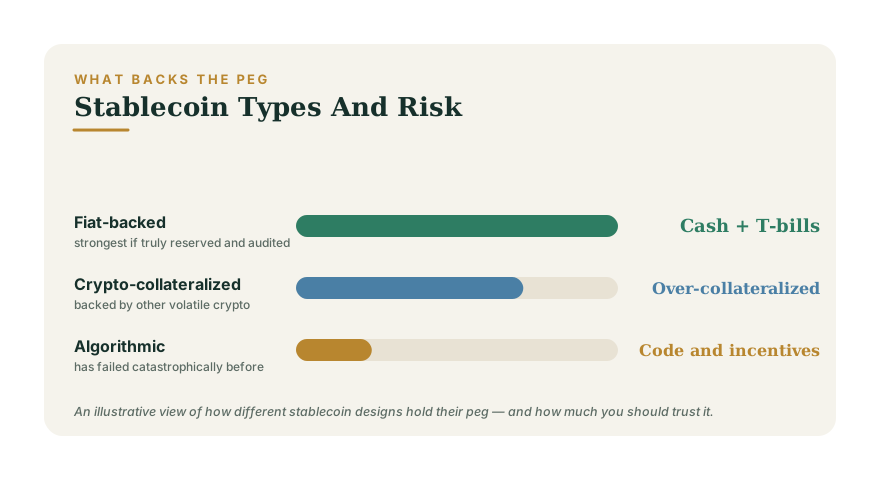
- Fiat-backed (reserve-backed). The issuer holds real-world reserves — cash and short-term US Treasuries — supposedly one dollar of assets for each token. These are the largest and generally most trusted, if the reserves are truly there and independently verified. The risk is whether the issuer actually holds and can redeem those reserves.
- Crypto-collateralized. The token is backed by a basket of other crypto held as collateral, deliberately over-collateralized (more than a dollar of crypto per token) to absorb price swings. This is more transparent on-chain but exposed to crashes in the volatile collateral.
- Algorithmic. No hard reserves; the peg is maintained by code, trading incentives, and a companion token. This design has failed spectacularly — the 2022 collapse of one large algorithmic stablecoin erased tens of billions of dollars in days and is the cautionary tale of the category.
What people actually use stablecoins for
Stablecoins earn their keep in several practical ways:
- Trading and parking value. Traders move into a stablecoin to sit out volatility without cashing all the way back to a bank, keeping funds ready on the exchange.
- Payments and remittances. Sending a dollar-pegged token across borders can be faster and cheaper than traditional wire rails, which is why some people use them for remittances.
- DeFi building block. They serve as the stable unit of account in lending, borrowing, and yield protocols across decentralized finance.
The risks that "stable" hides
A stablecoin is only as sound as its backing and its issuer, and several real risks lurk:
- De-pegging. A stablecoin can lose its peg and trade below a dollar during panic, redemption doubts, or a collateral crash. It has happened even to large, reputable coins during stress.
- Reserve and counterparty risk. With fiat-backed coins you are trusting that the issuer holds real, liquid reserves and will honor redemptions. Reserves parked at a failing bank became a live concern in 2023.
- No FDIC insurance. This is the big one. Stablecoins are not bank deposits and carry no FDIC insurance. If the issuer fails, there is no government backstop the way there is for up to the insured limit in a bank account.
- Regulatory and freeze risk. Issuers of centralized stablecoins can freeze tokens, and the regulatory framework is still evolving.
Are stablecoins a savings account? No.
Some platforms advertise attractive yields on stablecoin balances, which can look like a high-interest savings account. It is not. That yield comes with platform and counterparty risk and none of the deposit insurance a bank provides. For an actual emergency fund or short-term savings, insured, boring options win — see high-yield savings and CD ladders. A stablecoin can be a useful tool inside the crypto ecosystem; it is a poor substitute for a bank.
The takeaway
Stablecoins are genuinely useful for trading, payments, and moving value on-chain, and the best-run fiat-backed ones have held up through real stress. But "stable" is a design target, not a guarantee — the peg depends entirely on the backing, and there is no FDIC safety net if an issuer fails. Use them for what they are good at, understand what stands behind any coin you hold, and never treat them as an insured savings account. If you are weighing how crypto fits alongside safe cash, compare your options in the Model Portfolios, check your risk tolerance with the Investor Profile, and see the sober case in why the crypto math rarely works. Build the full plan at the planning hub.