FSBO — "for sale by owner" — means selling your home without a listing agent, and therefore without paying that agent's commission. On a typical sale, that is a serious chunk of money, which is exactly why the idea is so appealing. But the commission is not free savings; it is a price you pay for a bundle of work and expertise. Going FSBO means taking that bundle on yourself, and whether that is a smart trade depends entirely on your home, your market, and your appetite for the work.
The savings are real — but smaller than they look
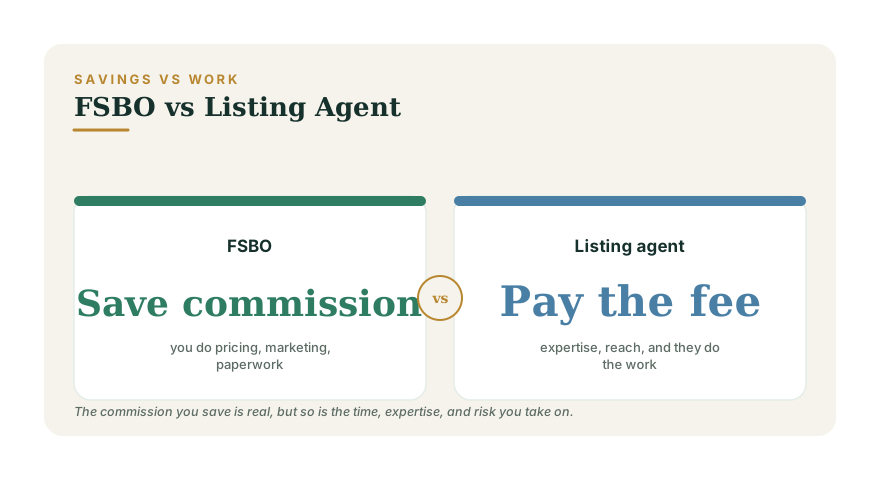
The headline appeal is avoiding the listing-side commission. On a higher-priced home, that can be tens of thousands of dollars. But two things shrink the gap. First, you will likely still pay a buyer's agent's commission if the buyer is represented, since most buyers are. Second, FSBO homes have historically tended to sell for somewhat less than agent-listed ones, partly because of pricing mistakes and narrower exposure. So the right way to think about it is not "save the full commission" but "save the listing half, minus any discount in sale price your inexperience costs." Sometimes that is a clear win; sometimes it nearly washes out. The commission structure that drives this math is detailed in How Real Estate Agent Commissions Work.
What you actually take on
An agent's fee buys a list of services. Sell on your own, and each one becomes your job:
- Pricing. Setting the right list price is the single most important decision, and it is harder than it looks. Price too high and the home sits, going stale and ultimately selling for less; price too low and you leave money on the table.
- Marketing. Photos, a listing description, signage, and crucially getting onto the systems buyers and their agents actually search. Many FSBO sellers pay a flat fee to a service to get listed on the shared multiple-listing system, which is where most exposure comes from.
- Showings and screening. Scheduling tours, hosting open houses, and vetting whether interested parties are genuinely qualified to buy.
- Negotiation. Fielding offers, countering, and handling contingencies and repair requests — often with a professional agent on the other side.
- Paperwork and disclosures. A real estate transaction is a stack of legally binding documents and state-mandated disclosures. Mistakes here can be costly or even create liability.
When FSBO makes sense
FSBO works best when the deal is simple and you bring some relevant skill. It tends to make sense when:
- You already have a ready buyer — a relative, a neighbor, or a tenant — so you mostly need to handle the paperwork, not find the buyer.
- You are in a hot seller's market where well-priced homes move quickly with little marketing.
- Your home is standard and easy to price, with plenty of recent comparable sales nearby.
- You have time, patience, and comfort with negotiation and documents, ideally with a real estate attorney to review the contract.
When it backfires
FSBO tends to disappoint when the home is hard to value, when the market is slow and marketing matters, or when the seller underestimates the work and emotional toll of negotiating their own home. The most common failure is mispricing — overpricing, watching the home languish, then chasing the market down to a price below what an agent might have gotten. The second is thin exposure, where the home simply is not seen by enough buyers. And paperwork errors or missed disclosures can turn a saved commission into a legal headache. If any of these describe your situation, the fee may be buying real protection.
A reasonable middle ground
You do not have to choose between full-service agent and total DIY. Flat-fee listing services, limited-service brokers, and hiring a real estate attorney just for the contract are all ways to keep some savings while outsourcing the riskiest parts. Many first-time FSBO sellers pay for a flat-fee listing and an attorney review, handling showings themselves. That captures much of the savings with far less exposure to costly mistakes.
Don't forget the tax side
However you sell, the proceeds may have tax implications. Many sellers qualify to exclude a large amount of home-sale gain from taxes, but the rules have conditions, and the math matters more on a home that has appreciated a lot. Get the basics straight in Tax Rules When You Sell Your Home before you count your savings, and walk through the full cost picture in Selling Your Home: The Financial Side.
FSBO is neither a no-brainer nor a trap — it is a trade. If your home is easy to price, your market is strong, and you have the time and temperament for the work, the savings can be substantial. If not, a professional may earn the fee. Run your numbers, including what a small discount in sale price would cost, with the Home Affordability calculator and the planning hub at /plan.