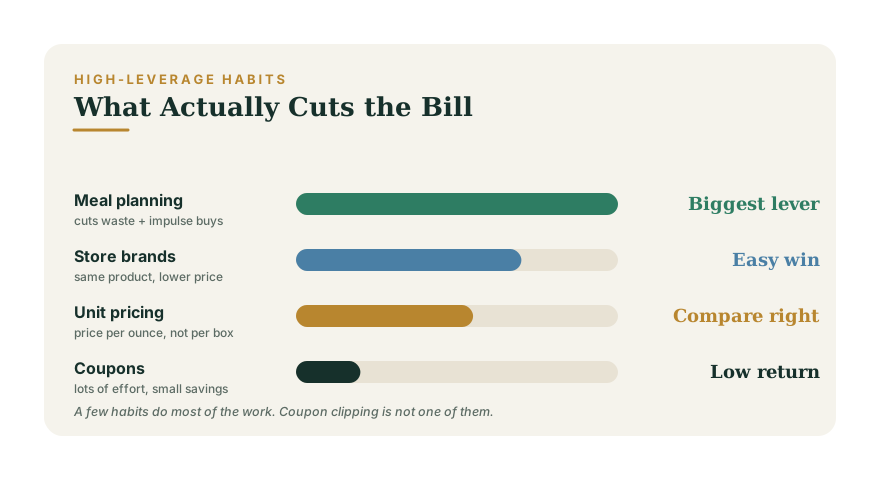
Groceries are one of the largest flexible expenses in most budgets, which makes them a tempting place to save. But the popular image of saving — clipping coupons for hours to shave a few dollars — is the least efficient approach there is. Coupons mostly steer you toward pricier name-brand and processed items you would not have bought otherwise. The real savings come from a handful of habits that cost almost no time once they become routine.
Meal planning: the highest-leverage habit
The biggest driver of a high grocery bill is not prices — it is waste and impulse buying. The average household throws away a meaningful share of the food it buys, which is money straight into the trash. A short weekly meal plan fixes both problems at once.
Spend ten minutes deciding what you will actually eat for the week, build your shopping list from that plan, and buy only what is on the list. Planning around what you already have in the pantry and what is on sale stretches it further. The discipline of shopping from a list — and never on an empty stomach — kills the impulse purchases that quietly inflate every trip. This one habit typically saves more than every coupon combined.
Understand unit pricing
The sticker price on a product tells you little; the unit price — cost per ounce, pound, or item — tells you whether it is actually a deal. Most price tags show it in small print, and it is the only honest way to compare a big box against a small one, or a name brand against a store brand.
"Bigger is cheaper" is often true but not always — sometimes the mid-size package beats the bulk one, especially when the bulk size leads to spoilage. Compare unit prices, and only buy in bulk when you will genuinely use it before it goes bad. For perishables, the cheapest unit price is no bargain if half of it rots.
See through shrinkflation
Shrinkflation is when a product quietly shrinks while the price stays the same — the cereal box holds fewer ounces, the roll has fewer sheets, the "family size" got smaller. Because the price did not change, it does not feel like a price increase, but your cost per unit just went up.
This is exactly why unit pricing matters so much right now. Watching price-per-ounce rather than price-per-package is how you catch shrinkflation in the act and notice when your "usual" product is no longer the value it was. When a staple shrinks, that is your cue to compare it against alternatives, including the store brand.
Buy store brands
Store (private-label) brands are frequently made in the same facilities as name brands and are often nearly identical in quality, at a noticeably lower price. For staples — flour, canned goods, spices, cleaning supplies, basic dairy — the difference is usually packaging and marketing, not the product.
Try swapping one or two name brands for store brands each trip. Keep the swaps you cannot taste the difference on, and go back to the name brand on the few items where it genuinely matters to you. Most people end up keeping the large majority of swaps, and the savings repeat every single week.
A few more high-return habits
- Check your receipts. Tracking grocery spending for a month reveals exactly where the money goes — see How to Track Your Spending (Without Hating It).
- Reduce food waste. Use a "eat me first" shelf in the fridge, freeze what you will not finish, and repurpose leftovers. Wasted food is wasted money.
- Cook more than you order. The gap between groceries and takeout is large; even a few more home-cooked meals a week adds up fast.
- Use loyalty programs, skip the rest. Free store loyalty apps give real discounts with no clipping. Ignore the rabbit hole of extreme couponing.
Groceries are a recurring expense, so small habit changes compound month after month — far more than a one-time coupon haul ever could. Cutting food costs is one of the gentlest ways to free up money without feeling deprived, in the spirit of Cutting Expenses Without Misery. Track the results over a few months and confirm the savings stuck during your monthly money review, and feed the lower number into the Budget Analyzer to see what it does for your savings rate.