For many people, a pet is a member of the family, and the thought of that animal ending up in a shelter or worse after their death is genuinely distressing. The problem is that the law does not see it that way: legally, a pet is property, which means you cannot leave money to your dog or cat any more than you can leave money to your couch. Simply writing "I leave $10,000 to care for Max" in your will does not work the way people hope. A pet trust is the tool that makes it work.
Why a simple bequest falls short
If you leave money in your will to a friend along with your pet, hoping they will use it to care for the animal, you are relying entirely on trust. There is nothing stopping that person from keeping the money and rehoming the pet, or spending it on themselves. A will can express a wish, but it does not create an ongoing, enforceable duty to care for a living creature over years. That gap is exactly what a pet trust closes.
How a pet trust works
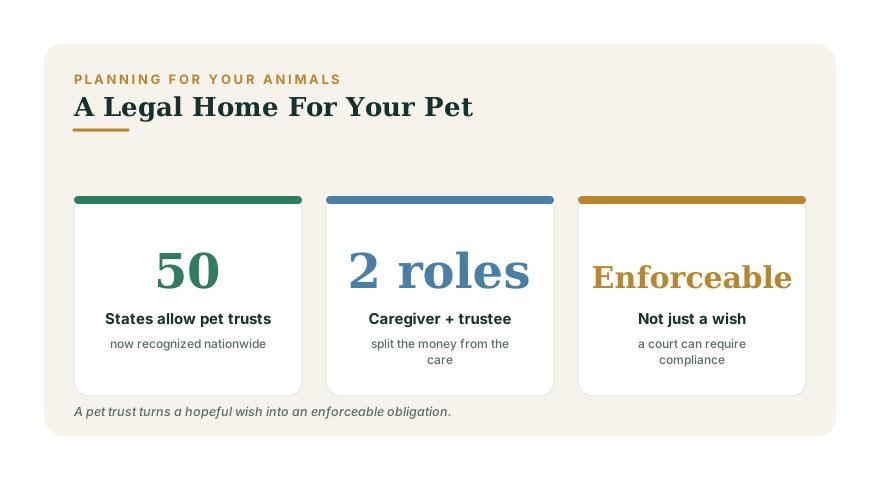
A pet trust is a legal arrangement that sets money aside specifically for your animal's care and legally binds someone to provide it. It typically involves two roles, and separating them is a feature, not a complication:
- The caregiver is the person who actually takes in and looks after your pet day to day.
- The trustee holds and manages the money, releasing funds to the caregiver for the pet's expenses and making sure it is actually spent on the animal.
Splitting the money from the caretaking creates accountability: the caregiver cannot simply pocket the funds, because the trustee controls the purse and can withhold or redirect money if the pet is neglected. Pet trusts are now recognized in all fifty states, so this is no longer an exotic instrument. The tradeoffs in choosing who manages the money are the same ones covered in Naming a Trustee.
How much to fund it with
Fund the trust realistically — not so little that it runs out, and not so lavishly that a court trims it as unreasonable. Estimate the pet's remaining life expectancy and annual costs: food, routine veterinary care, grooming, and a cushion for the emergency surgery or chronic illness that becomes more likely as animals age. Longer-lived animals like parrots or horses can require decades of care and correspondingly larger funding. A thoughtful figure for a healthy dog or cat is usually modest; the exotic or long-lived pet is where the number climbs. It also helps to name a small caregiver's fee, so the person is compensated for the real work involved.
Details that make it work
A well-drafted pet trust does more than hold money. Consider including:
- A named caregiver and a backup, in case your first choice cannot serve when the time comes.
- Care instructions: diet, medications, the vet you use, and the pet's habits and temperament.
- Identification of the animal — microchip or description — so the right pet is covered, and to prevent a caregiver from substituting another animal to keep the funds flowing.
- A remainder beneficiary: where leftover money goes after the pet dies, often an animal-welfare charity or a family member.
An interim plan too
A trust handles what happens after you die, but pets also need a plan for a sudden hospitalization or incapacity. Keep an emergency card in your wallet naming a temporary caregiver and vet, and tell a neighbor or friend where to find your pet-care instructions. This is a small piece of the broader habit of keeping your affairs findable — see Estate Planning Basics Everyone Needs. The same instinct that leads people to build a special needs trust for a dependent applies to a beloved animal: care that outlives you has to be structured, not merely hoped for.
Put it in place
A pet trust is usually inexpensive to add to an existing estate plan, and it converts a fragile hope into an enforceable promise. Decide on a caregiver, a separate trustee, and a realistic funding amount, then have an attorney fold it into your will or living trust. Account for the funds you would set aside using the Net Worth Tracker, confirm the rest of your documents are current with the Estate Readiness check, and organize the whole plan at the planning hub.