A car is a depreciating asset — it loses value the moment you own it — so the smartest place to buy one is usually a few years into that decline, after the steepest drop has already happened. A two-to-four-year-old car can deliver most of a vehicle's useful life for a fraction of the new price. The trick is buying carefully so you do not trade the savings away by overpaying or buying someone else's problem.
The depreciation sweet spot
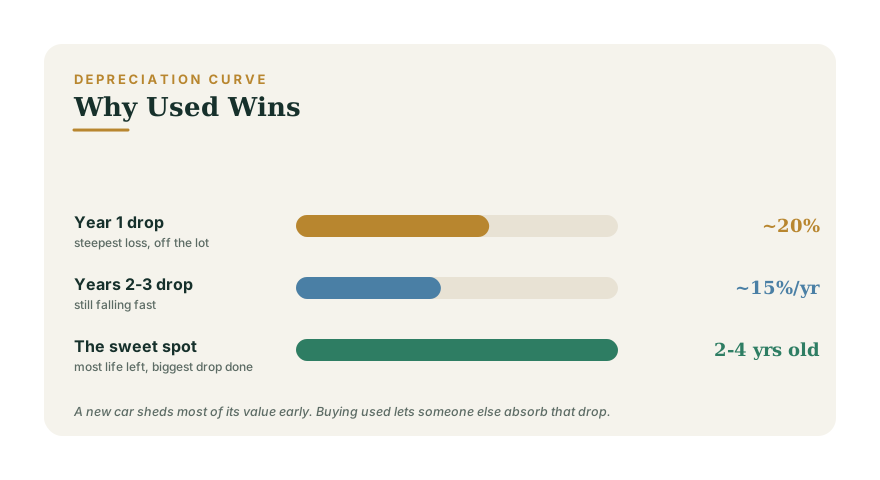
A new car typically loses around 20% of its value in the first year and a large chunk more over the next two. By the time a car is two to four years old, the brutal early depreciation is behind it, yet a well-built vehicle still has the majority of its working life ahead. That window is the value sweet spot: you let the first owner absorb the biggest loss, then buy the same car for far less. The mechanics of why cars lose value are covered in The True Cost of Owning a Car.
Research before you ever see a car
Decide what you need before you fall in love with a listing. Pick two or three models known for reliability and reasonable upkeep, then learn their fair market price for the year, mileage, and trim you want. Knowing the going price is your single best defense against overpaying — once you know a fair number, an inflated ask is obvious. Look up the model's known weak points and typical repair costs too, so you can spot a car that is about to need expensive work.
Inspect (or pay someone to)
Never buy a used car on looks alone. At minimum:
- Pull the vehicle history report using the VIN to check for accidents, flood damage, title problems, and odometer rollbacks.
- Get a pre-purchase inspection from an independent mechanic. For around a hundred dollars, a trusted mechanic can catch problems that would cost thousands — the best money you will spend in the whole process.
- Test drive deliberately — listen for noises, check that it brakes straight, and make sure every electronic and accessory works.
If a private seller or dealer refuses an independent inspection, walk away. That refusal is itself the answer.
Finance smart — or pay cash
Sort out the money before you negotiate. If you are financing, get pre-approved by your bank or, better, a credit union, which often beats dealer rates. Walking in with your own financing turns the loan into something the dealer has to compete with rather than something they sell you at a markup. If you can pay cash without draining your emergency fund, you skip interest entirely. The trade-offs between cash and a loan, and how to avoid being upside-down, are laid out in Car Loans and Financing, Explained.
Negotiate on the right number
Negotiate the total out-the-door price, never the monthly payment. Salespeople love to steer the conversation to "what payment works for you?" because a comfortable monthly figure can hide a high price, a long loan, and padded add-ons all at once. Anchor to the fair market value you researched, be ready to walk, and treat any trade-in as a separate transaction so it cannot be used to muddy the math. Decline the high-margin extras — extended warranties, paint protection, fabric sealant — unless you have specifically decided you want them.
Keep it inside your budget
A used car is only a good deal if it fits what you can actually afford to own, not just buy. Before you sign, run the purchase through the guideline in How Much Car Can You Actually Afford? and confirm the payment, insurance, and upkeep fit your plan using the Budget Analyzer. Buy a reliable car at a fair price with eyes open, and it will serve you cheaply for years.