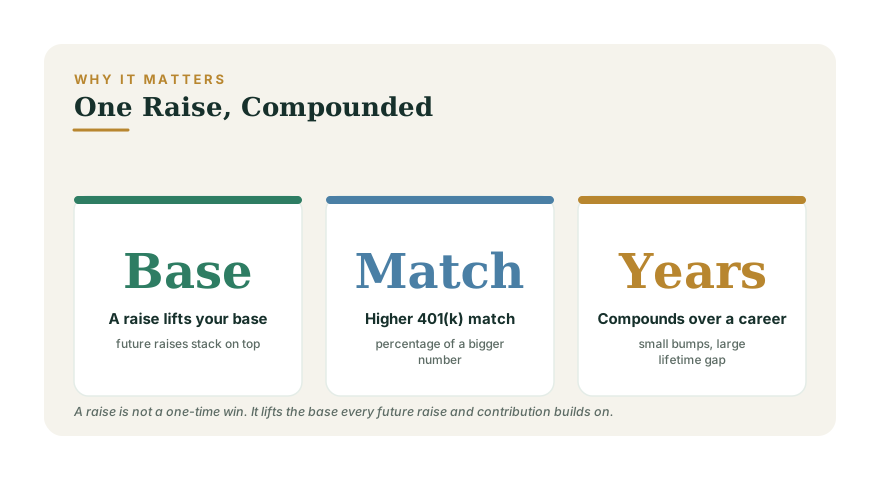
Asking for a raise is one of the highest-return things you can do with an afternoon of preparation, and one of the most avoided. The math is unforgiving in your favor: a raise does not just pay you more this year. It lifts the base that every future raise, bonus, and retirement-match contribution is calculated from, so a single successful conversation can be worth tens of thousands of dollars over a career. The discomfort is real, but it is temporary; the payoff compounds for decades.
Start with data, not feelings
The weakest case for a raise is "I need more money" or "I haven't had one in a while." The strongest case is grounded in two kinds of evidence: what the market pays for your role, and what you have delivered. Before you say a word to your manager, gather both.
For market data, check salary sites, industry surveys, and — carefully — what peers and recruiters say similar roles pay in your area. Aim for a defensible range, not a single number. If you are consistently below market for your title, experience, and location, that gap is your single most persuasive argument.
Build the value case
Market data shows you are underpaid; your track record shows you are worth more. Keep a running list of what you have accomplished: projects shipped, revenue influenced, costs cut, problems solved, responsibilities you have taken on beyond your original job description. Quantify wherever you can — "reduced processing time by 30%" lands harder than "helped with efficiency." This is the heart of the ask: you are not requesting a favor, you are repricing an asset whose value has grown.
Frame everything around value delivered to the company, not your personal expenses. Your rising rent is not your employer's problem; the fact that you are doing more than your title implies, at below-market pay, is a business case they can act on.
Time the ask well
Timing changes the odds. The best moments are when your leverage and your manager's flexibility are both high:
- After a clear win — a successful project, strong review, or new responsibility, while the value is fresh.
- Before budget and review cycles are locked, not after, when there is no money left to allocate.
- When you have recently taken on more than you were hired to do.
Avoid asking during layoffs, a bad quarter, or right after a visible mistake. And give your manager a heads-up — "I'd like to discuss my compensation, can we set aside time?" — rather than ambushing them. People say no to surprises and yes to prepared cases.
The conversation itself
Keep it short, calm, and specific. Lead with your contributions, present the market data, and state a clear number or range — then stop talking and let them respond. Silence is your friend; do not negotiate against yourself by immediately backing down. Anchor slightly high but within your defensible range, because the final figure usually lands below the opening. If salary is genuinely capped, remember that compensation is more than base pay — the same broader levers covered in negotiating a job offer apply here too.
What to do with a yes
Get it in writing — the new figure and effective date. Then make the raise work for you instead of evaporating. The most common mistake after a raise is letting spending quietly rise to absorb it; that is lifestyle creep, and it is why some high earners never build wealth. Before lifestyle adjusts, route a meaningful share of the increase straight to your goals: bump your 401(k) percentage, top up savings, or accelerate debt. A raise you save is a raise you keep.
What to do with a no
A no is information, not a verdict. Ask the most valuable follow-up question: "What specifically would I need to demonstrate to earn this, and on what timeline?" That turns a dead end into a concrete plan with a date attached. Get the answer in writing, deliver on it, and revisit. If the answer is vague, evasive, or "there's just no budget for someone like you" despite strong performance, that is data too — it may be time to build leverage elsewhere, whether through a second income stream or by testing the market with other employers.
Putting the raise to work
However the conversation ends, the goal is the same: convert higher earnings into actual progress, not just a higher lifestyle. Once your new number is set, fold it into your plan — see how much each extra dollar of savings accelerates your timeline in the Lifetime Wealth Simulator, and check that your overall finances are on track with the Financial Wellness assessment.