Downsizing is the most common retirement housing move, and the pitch is intuitive: sell the large family home, buy something smaller and cheaper, and pocket the difference as retirement income while cutting your ongoing costs. The instinct is sound. But the actual cash you free up is usually a good deal smaller than the gap between the two home prices, and the right decision depends on numbers people often skip.
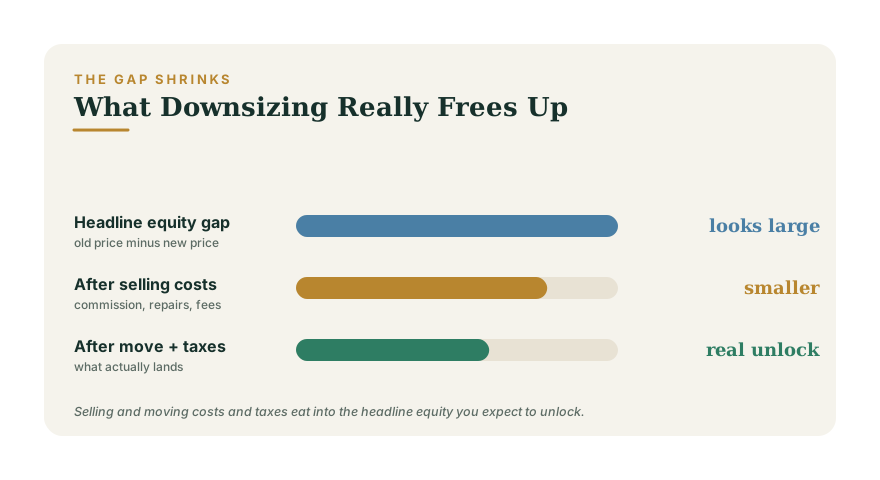
The equity unlock is the headline, not the answer
Say you sell a paid-off home for $600,000 and buy a smaller one for $400,000. It looks like you have unlocked $200,000. In reality, several layers come out of that gap before the money is yours. Treat the price difference as the starting number, not the result.
Transaction costs take the first bite
Selling a home is expensive. Between real-estate commission, repairs and staging to get the home ready, title and closing fees, and possibly concessions to the buyer, selling costs commonly run several percent of the sale price. On a $600,000 sale, that can easily be $30,000–$40,000 gone before you see a cent. Then there are the costs of buying the new place — closing costs, inspection, and any immediate updates. The mechanics of the sell side are covered in Selling Your Home: The Financial Side.
Moving costs are bigger than people expect
The physical move itself adds up: movers, transferring or buying furniture that fits a smaller space, new window treatments, and the dozens of small setup costs of a new home. Add it together and a few thousand dollars is optimistic; many downsizers spend far more. None of it is dramatic on its own, but it all comes out of the equity you thought you were unlocking.
Taxes on the sale
For many people, the sale of a primary home is largely tax-free, thanks to the capital-gains home-sale exclusion — a single filer can exclude a large amount of gain, and a married couple roughly double that, provided you have owned and lived in the home for at least two of the prior five years. But long-time owners of homes that have appreciated enormously can have a gain that exceeds the exclusion, and the excess is taxed. If you have ever rented the home out, or claimed a home-office depreciation deduction, the math gets more complicated. The rules are explained in Tax Rules When You Sell Your Home — worth reading before you list, not after.
Don't forget the recurring costs (which is where downsizing really pays)
The one-time costs above can be discouraging, but the strongest case for downsizing is usually the ongoing savings, not the lump sum. A smaller, newer home can sharply cut property taxes, insurance, utilities, and maintenance — and those savings repeat every year for the rest of your life. A reasonable test: even if the cash you unlock is modest, does the move cut your annual housing costs enough to matter to your retirement budget? Often the recurring savings are the real prize.
Lifestyle and location tradeoffs
Numbers are only half the decision. Moving means weighing:
- Proximity to family, friends, and doctors. A cheaper home far from your support network can cost more in isolation than it saves in dollars.
- State taxes and cost of living. Relocating to a lower-tax or lower-cost area can stretch a retirement budget significantly, but research the full picture, not just income tax.
- Aging in place. A single-level home with fewer stairs may serve you far better in your 80s than a charming multi-story one.
- Emotional cost. Leaving a long-time home and community is real, and worth naming honestly rather than pricing at zero.
Running your own numbers
Before deciding, build the honest figure: projected sale price, minus selling costs, minus the new home's price and buying costs, minus moving costs and any tax on the gain. Then separately tally the annual savings in taxes, insurance, utilities, and upkeep. If staying put but tapping equity is on the table, compare downsizing against the alternative in Reverse Mortgages: How They Work and the Catches. To see how the freed-up equity and lower costs change your long-term picture, run both scenarios through the Retirement Planner. Downsizing is often a smart move — just make sure it is the move the real numbers support, not the headline gap.