A car is the second-largest purchase most households make, and the buy-versus-lease question gets decided badly all the time — usually at a dealer's desk, comparing one monthly payment to another. That comparison is rigged from the start, because the two options are not the same thing. Buying ends in ownership; leasing is a long-term rental that never ends. Look past the monthly number and the real math becomes clear.
What you are actually paying for
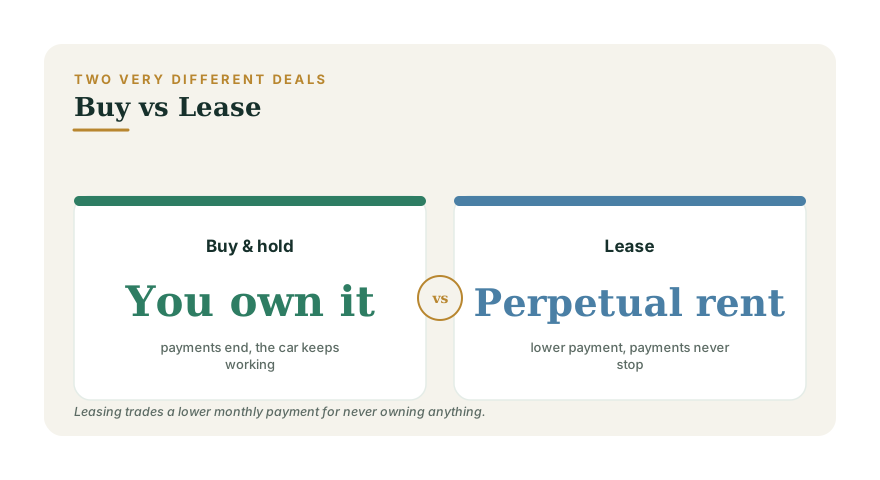
When you buy a car, you pay for the whole vehicle, either in cash or through a loan. When the loan is done, the payments stop but the car keeps running — often for many more years. Those payment-free years are where buying earns its keep.
When you lease, you do not pay for the whole car. You pay for the slice of value the car loses while you drive it — its depreciation over the lease term — plus interest (called the "money factor") and fees. That is why the monthly payment is lower. You are renting the most expensive years of the car's life and handing it back before you have built any equity.
Why the lower lease payment is a trap
A lease payment is lower because you are financing less. But at the end of a three-year lease you own nothing, and you face a choice: lease again, or buy the car at a pre-set price. If you keep leasing, you sign up for a car payment for the rest of your life. The lower number on each contract hides the fact that the payments never end. This is the same monthly-payment illusion that sells overpriced loans, covered in Car Loans and Financing, Explained.
Mileage limits and wear charges
Leases come with strings. A typical lease caps you at 10,000 to 15,000 miles a year, and you pay a stiff per-mile penalty for going over — often 15 to 25 cents a mile, which adds up fast on a long commute. You are also on the hook for anything beyond "normal wear," so scratches, curb-rashed wheels, and worn upholstery can trigger charges when you return the car. A car you own has none of these constraints; you can drive it across the country and never think about a mileage counter.
The case for buying and holding
Financially, the winning move for most people is simple: buy a reliable car, finance it sensibly or pay cash, and then keep it well past the loan payoff. A modern car routinely lasts 200,000 miles or more. If you finance over four years and drive the car for ten, you get six years with no car payment — six years to redirect that money toward savings, investing, or your next car in cash. Someone who perpetually leases never gets a single payment-free month.
- ✅ Buy and hold: payments end, then years of free use; full ownership; no mileage cap.
- ❌ Perpetual leasing: a payment forever; you never own anything; mileage and wear penalties.
When leasing can make sense
Leasing is not always wrong. It can be reasonable if you genuinely want a new car every two or three years and accept paying for that preference, if you can write the lease off as a legitimate business expense, or if you drive very low miles and want predictable costs with no resale hassle. The key is to lease knowingly as a lifestyle choice, not because the monthly payment looked smaller on the showroom floor.
Run your own numbers
Before you decide, separate the car decision from the financing decision and look at total cost over the years you will actually keep the vehicle — not the monthly payment. Factor in depreciation, insurance, and upkeep, which we break down in The True Cost of Owning a Car, and make sure the purchase fits your budget using the framework in How Much Car Can You Actually Afford?. Then sanity-check the whole thing against your spending plan with the Budget Analyzer, so the car serves your goals instead of quietly draining them.