A pay cut is jarring precisely because your expenses do not shrink the day your income does. The rent is the same, the car payment is the same, and the grocery bill barely moves — but the paycheck funding all of it just got smaller. The instinct is to panic or to ignore it and hope; neither works. What works is rebuilding your budget around the new, lower number quickly and deliberately, in the right order.
Whether the cut is a reduced salary, fewer hours, or the loss of a bonus you counted on, the process is the same: figure out your new take-home, triage your spending from least to most essential, and decide which sacrifices are temporary and which need to become permanent.
Step one: find your real new number
Before you cut anything, pin down your new monthly take-home pay — the amount that actually lands in your account, after taxes and deductions, at the lower rate. A pay cut can also shift your tax withholding and any percentage-based 401(k) contribution, so the drop in your check may not be exactly proportional to the drop in salary. Pull your latest pay stub and work from the net figure, not the headline salary. That single number is the ceiling your entire budget now has to fit under.
Triage your fixed costs fast
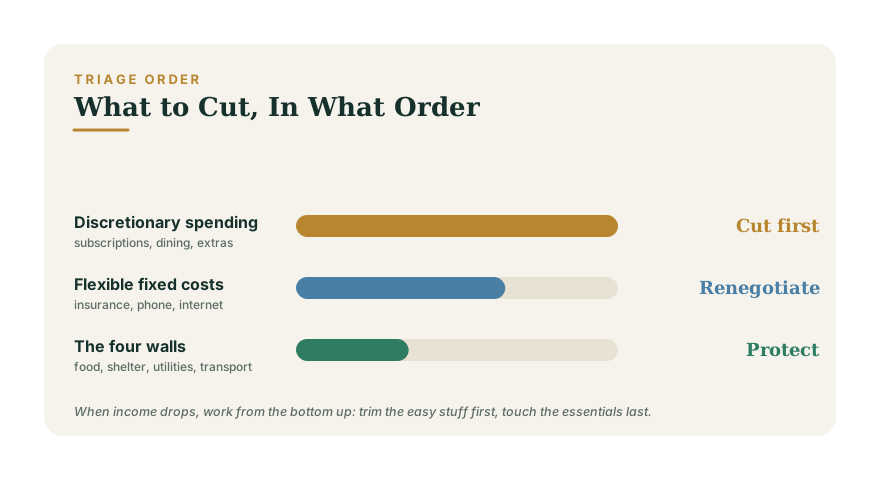
Fixed costs are the ones that feel immovable, but most have more give than people assume. Sort them into three buckets:
- Truly fixed — rent or mortgage, minimum loan payments. Hard to change this month, but not untouchable over a few months.
- Renegotiable — car and home insurance, phone, internet, streaming bundles. A few phone calls can shave real money: raise an insurance deductible, drop to a cheaper phone plan, or cancel overlapping services.
- Discretionary disguised as fixed — gym memberships, subscription boxes, the second streaming service. These auto-renew, so they feel permanent, but they are the easiest cuts you have.
Start cutting from the top of that list — discretionary first — and work down only as far as you need to. A quick subscription audit and a calmer look at non-essentials can recover a surprising amount without real pain; How to Cut Expenses Without Making Yourself Miserable walks through doing this without feeling deprived.
Protect the essentials — the four walls
Some spending is non-negotiable because it keeps you housed, fed, and able to get to work: food, shelter (and utilities), and transportation. These are the last things you touch, and you protect them on purpose. If the pay cut is deep enough that even these are at risk, you are no longer trimming a normal budget — you are building a survival budget. That is its own exercise, laid out in How to Build a Bare-Bones Survival Budget.
Temporary cut, or permanent reset?
This distinction shapes how aggressively you act. If the cut is clearly temporary — a few months of reduced hours, a seasonal slowdown — you may choose to pause savings and lean on your emergency fund rather than slashing your standard of living, then restore everything when income returns. If the cut looks permanent, the harder truth is that your lifestyle needs to reset to match. Quietly draining savings to fund spending you can no longer afford only delays the reckoning and removes your safety net at the same time.
Be honest about which one you are facing. A permanent pay cut treated as temporary is how people slide from a manageable adjustment into debt.
Communicate with lenders before you miss a payment
If money will be tight enough that a bill might go unpaid, call before the due date, not after. Lenders, landlords, and utility companies have hardship programs — deferred payments, temporary forbearance, reduced minimums, payment plans — but those options largely disappear once an account is already delinquent. A proactive call protects your credit and buys breathing room. How to Negotiate With Creditors covers what to ask for and how to frame the conversation.
Prioritize which bills get paid first if you cannot cover them all: keep a roof over your head and the lights on before you worry about an unsecured credit card.
Rebuild the buffer once you stabilize
A pay cut often eats into the emergency fund, and that is exactly what the fund is for. But once your budget balances at the new income level, redirect the first available dollars back into rebuilding that cushion before resuming other goals — see the emergency fund guide for how much to target. A thinner income makes a fully funded buffer more important, not less, because you have less margin for the next surprise.
The fastest way to see whether your new income covers your new plan is to put both into the Budget Analyzer, then sanity-check your safety net with the Financial Resilience assessment. A pay cut is a setback, not a verdict — a budget rebuilt deliberately around the smaller number turns a scary month into a manageable one.