Living with roommates is one of the most effective ways to cut your single biggest expense — housing — but it is also where some of the most bitter, friendship-ending money disputes happen. The cause is almost never the dollars themselves. It is that two or three people had different unspoken assumptions about what "fair" means, and never compared notes until someone felt cheated.
The fix is unglamorous: agree on the rules out loud, in advance, ideally in writing. Here is how to choose a split method and handle the awkward parts — the lease, the deposit, and the roommate who comes up short.
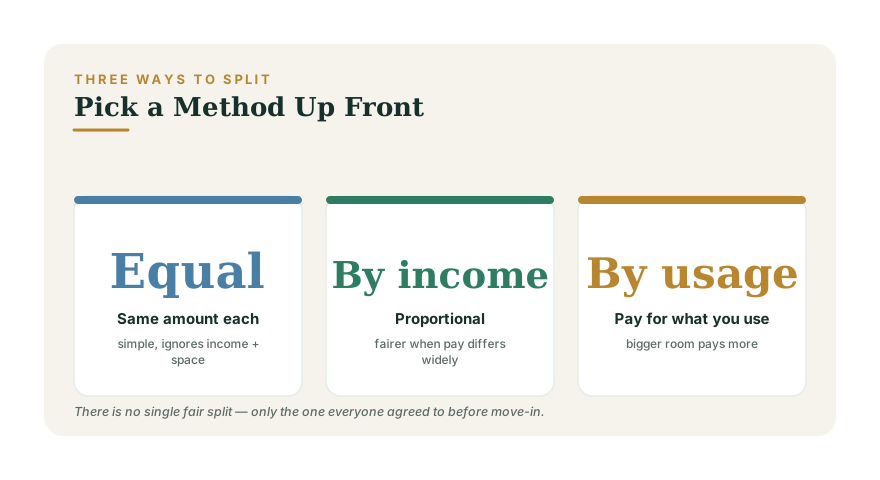
Three ways to split, and when each is fair
There is no universally correct method. Each is "fair" under different assumptions, so the job is to pick one everyone accepts:
- Equal split. Everyone pays the same share of rent and bills. It is simple and easy to track, and it works well when rooms are similar and incomes are roughly comparable. It can feel unfair when one roommate has the big bedroom with the private bath or earns far more than another.
- Usage-based / by space. The bigger or better room pays more; shared bills sometimes split by who uses what. This handles unequal rooms cleanly and is a common compromise. It takes a bit more negotiation to set the room "prices."
- Income-proportional. Each person pays a share of the total in proportion to their income. This is the fairest when incomes differ sharply — it is the same logic couples use when one earns much more — but it requires roommates to be open about what they make, which not everyone is comfortable with.
The income-proportional idea is explored more in How to Budget as a Couple; the trade-offs translate directly to roommates who want to weigh fairness against simplicity.
Decide which expenses are shared
Before splitting anything, agree on the boundary between shared and personal. Rent, electricity, water, internet, and shared household supplies (cleaning products, toilet paper) are usually pooled. Groceries are the classic gray zone: some households share a communal fund, others keep food strictly separate with labeled shelves. Both work — what fails is leaving it undefined, so someone's expensive groceries quietly subsidize everyone else. Spell it out at move-in.
Use a shared app, not your memory
The fastest path to resentment is a pile of "you owe me" texts and fuzzy recollections of who paid for what. Use a shared expense-tracking app where anyone can log a bill they covered and the app tallies who owes whom, settling up once a month. Removing the running mental ledger removes most of the friction. For recurring bills, consider rotating whose name each account is in, or having one person pay and get reimbursed automatically, so no single roommate carries every bill on their credit card. Keep your own personal budget updated with your true share so your housing number is honest.
The lease, the deposit, and the legal reality
Here is the part roommates routinely underestimate: if you are all on the lease, you are each typically responsible for the entire rent, not just your share. If a roommate moves out or stops paying, the landlord can pursue the remaining tenants for the full amount. That legal exposure is exactly why the money agreement matters so much.
For the security deposit, write down who contributed how much, because getting it back at move-out — minus any damages — is a frequent source of disputes. A short, signed roommate agreement covering rent shares, bill responsibilities, deposit contributions, and what happens if someone leaves early is worth the ten minutes it takes. And get renters insurance — it is cheap, and one roommate's policy generally does not cover another's belongings.
When a roommate falls behind
Eventually someone may not be able to pay on time. Handle it early and directly rather than letting it fester:
- Talk before the due date. If a roommate warns you they will be short, you have options; if you find out when the landlord does, you do not.
- Cover only what protects you. If you front their share to keep the lease intact, treat it as a documented loan with a clear repayment plan, not a gift — and only do it if you can afford to.
- Know your limits. Repeated shortfalls are a sign to plan an exit at lease renewal rather than slowly absorbing someone else's housing cost.
Run your true share of rent and utilities through the Budget Analyzer so your housing line reflects reality, and revisit your overall plan when a roommate situation changes. A clear agreement up front is far cheaper than a damaged friendship later.