An insurance claim is the moment your policy either earns its premiums or disappoints you, and how well it goes depends heavily on what you do in the first hours and days. A claim is not a form you fill out and forget; it is a small process you manage. Done carefully, it gets you a fair payout with the least friction. Done carelessly, it can leave money on the table or trigger an avoidable denial.
Document the loss before you touch anything
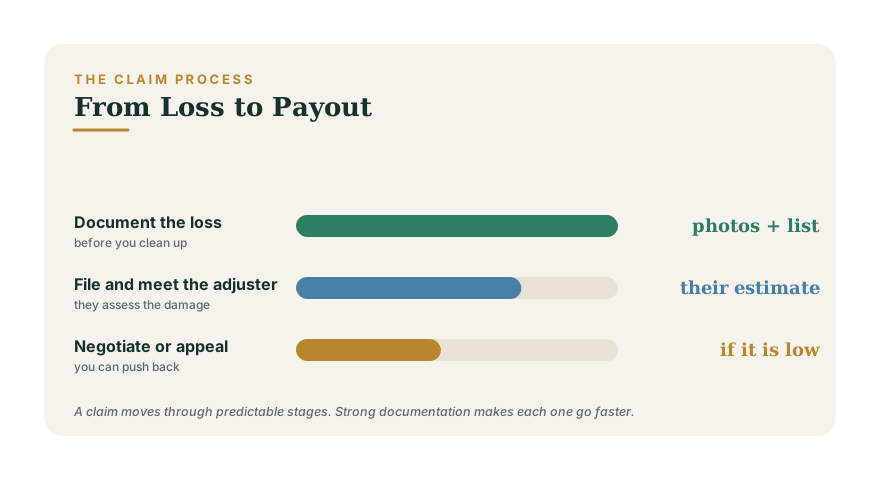
The single biggest mistake people make is cleaning up first and documenting later. Before you move debris, dry out a room, or haul away a wrecked bumper, take thorough photos and video from multiple angles. Capture wide shots that show the whole scene and close-ups of specific damage. If it is safe, leave things as they are until you have a record.
You should also prevent further damage — tarp a roof, shut off water, board a window — because most policies require you to take reasonable steps to stop a problem from getting worse. Keep receipts for anything you spend doing this; those costs are often reimbursable. The better your record before the loss happened, the smoother all of this goes, which is exactly why a standing home inventory is worth building in advance.
Decide whether to file at all
Not every loss should become a claim. Filing has a hidden cost: claims stay on your record for years, and even a single one can raise your premiums at renewal or make you harder to insure. If the damage is only modestly above your deductible, you may pay more in higher premiums over the next few years than you collect.
A simple rule of thumb: if the repair is close to your deductible, pay out of pocket and keep your claims history clean. Save claims for genuine, larger losses — the events that would actually hurt financially. This is the same logic behind choosing a higher deductible in the first place, covered in how to think about what drives your premium. Insurance is for catastrophes, not for routine wear.
Filing the claim
When you do file, do it promptly — many policies have time limits. Call your insurer or use the app, get a claim number, and write down who you spoke with and when. Keep a simple log of every call, email, and document throughout the process; if there is ever a dispute, that paper trail is your strongest tool.
Be accurate and factual when you describe what happened. Do not guess, exaggerate, or speculate about cause. Stick to what you know. Overstating a loss is fraud and can void the whole claim; understating it can shortchange you.
Working with the adjuster
An adjuster is the person the insurer sends to assess the damage and estimate what they will pay. Remember that the adjuster works for the insurance company, not for you. They are usually professional and fair, but their job is to settle the claim, and their first estimate is not a final, non-negotiable verdict.
- Be present for the inspection and walk them through every piece of damage you documented.
- Provide your own list and photos so nothing is missed.
- If you disagree with their estimate, get an independent repair quote from a contractor or shop and submit it as evidence.
- For large or complex losses, you can hire a public adjuster who works for you for a percentage of the settlement.
Read the settlement offer carefully and understand whether it pays replacement cost (what it costs to buy new) or actual cash value (depreciated value). The difference can be substantial.
Appealing a denial
A denial is not always the end. Claims get denied for reasons that range from legitimate (the loss is not a covered peril) to fixable (missing paperwork, a misunderstanding about the policy). Ask for the denial in writing with the specific reason and the policy language cited. Then read your policy's actual wording against that reason.
If you believe the denial is wrong, file a formal written appeal with additional evidence — independent estimates, expert opinions, photos. If the insurer still will not budge, you can file a complaint with your state's department of insurance, which regulates insurers and can prompt a second look. Knowing the common tactics in advance helps; see how insurers deny claims for the patterns to watch for.
Before you ever file
The best claim outcomes are set up long before the loss: adequate coverage limits, a deductible you can actually afford, and an up-to-date inventory of what you own. Run your numbers through the insurance calculator to confirm your limits match what you would actually need to rebuild or replace, so that when a real loss happens, the policy does its job.