The holidays arrive on the same date every single year, yet somehow they always seem to ambush the budget. Gifts, travel, food, parties, and decorations stack up fast, and because the spending is spread across a few emotional weeks, the total often does not register until the January credit-card statement lands. The fix is not spending less joy — it is planning the expense like the predictable event it is.
Build a holiday sinking fund
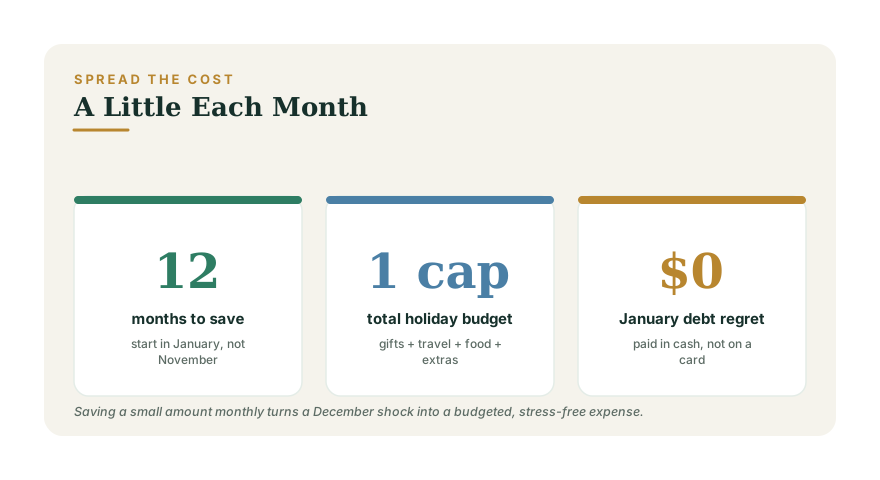
A sinking fund is money you save gradually for a known future expense. Instead of absorbing the entire holiday cost in one brutal month, you set aside a small amount every month all year. If you expect to spend $1,200 on the holidays, saving $100 a month from January means the money is simply there in December — no scramble, no debt.
Open a separate savings account or labeled bucket called "Holidays," set an automatic monthly transfer, and forget about it. By the time the season arrives, you are spending money you already have. This is the single most powerful holiday-money move, and it works for any irregular annual cost. The general principle is covered in Sinking Funds, Explained.
Set a total cap before you set gift amounts
Most people budget the holidays backward: they decide what each person "deserves," add it all up, and discover the total only after the damage is done. Flip it. Decide your total holiday cap first — the full number you are willing to spend across everything — and then divide it among categories.
Your cap should cover more than gifts. A realistic holiday budget includes:
- Gifts — for family, friends, coworkers, and the easy-to-forget extras (teachers, hosts, service tips).
- Travel — flights, gas, lodging. Often the biggest line and the one people leave out.
- Food and hosting — the big meal, parties, and the grocery bill that balloons in December.
- Extras — decorations, cards, wrapping, charitable giving, and the inevitable miscellaneous.
Once the cap is set, build a simple gift list with a dollar amount next to each name. The list is what keeps you honest in the store, where it is dangerously easy to add "just one more thing."
Why travel deserves its own plan
For families that travel, transportation and lodging frequently cost more than all the gifts combined, and prices climb the longer you wait. If your holidays involve flights, book early and fold the cost into your cap from the start. Treating travel as an afterthought is how a reasonable gift budget quietly doubles.
Avoid the January credit-card regret
The reason holidays cause financial pain is rarely the spending itself — it is paying for December across the first quarter of the new year at 20%-plus interest. A $1,200 holiday put on a card and paid off slowly can cost meaningfully more by spring, and it crowds out the goals you set for the new year before January even gets going.
If you saved through a sinking fund, this problem disappears: you pay in cash you already set aside. If you did not save this year, the rule still holds — set a cap you can pay off in full when the statement arrives, and start a sinking fund for next year in January so you are never in this spot again. A great place to confirm the damage was contained is your monthly money review in January.
A few painless ways to lower the number
- Agree on limits with family. A spending cap, a name-draw, or experiences over things can cut the total without cutting the joy — and most relatives are relieved you brought it up.
- Start early. Spreading purchases across the fall avoids panic buying and catches better prices.
- Use cash-back you have already earned rather than chasing new spending to earn more.
The holidays are one of the most predictable expenses you have, which makes them one of the easiest to plan for. Pick a cap, open a holiday bucket, automate a monthly transfer, and choose a budgeting structure that fits you from The Best Budgeting Methods, Compared. To size the right monthly amount and keep the rest of your plan intact, run the numbers through the Budget Analyzer.