Pets are family, but the law treats them as property. That gap creates a quiet risk: if you become incapacitated or die without a plan, your dog, cat, parrot, or horse can fall through the cracks at the worst possible moment. Every year, beloved animals end up in shelters not because no one loved them, but because no one planned for them.
What happens without a plan
If you have no arrangement, your pet becomes part of your estate like any other possession, passing under the residue of your will or, if you have no will, under your state's default rules. In the gap between your death and the estate being settled — which can take weeks — your pet may have no clear caretaker at all. Friends and family scramble, assumptions clash ("I thought you were taking the dog"), and an animal that needs routine, medication, or special care can suffer or be surrendered. This is the same failure mode as dying without basic documents, covered in estate planning basics everyone needs: absence of a plan is itself a plan, and usually a bad one.
Step one: name a caregiver — and ask first
The foundation of any pet plan is a willing human. Identify someone who would genuinely take your pet, and then — this is the part people skip — actually ask them. A named caregiver who is surprised and unable to commit is no better than no caregiver. Name a primary and at least one backup, since circumstances change. Confirm they have the living situation, the time, and the willingness for the specific animal involved; a small apartment dweller may love your horse but cannot house it.
You should also plan for incapacity, not just death. If you are hospitalized, who walks in and feeds the cat tonight? A short, accessible instruction — a card in your wallet, a note your emergency contacts know about — bridges that immediate gap.
A simple bequest versus a pet trust
The most basic approach is to leave your pet, plus a sum of money, to the chosen caregiver in your will. It is easy, but it has a flaw: once the gift is made, you have no enforceable way to ensure the money is actually spent on the pet. The caregiver could keep the cash and rehome the animal, and nothing in the will compels otherwise.
A pet trust closes that loophole. Recognized in every state, a pet trust is a legally enforceable arrangement: you set aside funds, name a trustee to manage the money, and name a caregiver to provide day-to-day care (these can be different people, which adds a useful check). The trustee disburses funds for the pet's needs and can step in if the caregiver is not holding up their end. The trust ends when the pet dies, and you direct where any leftover funds go.
How much money to set aside
Fund the trust realistically, not symbolically. Estimate the pet's annual costs — food, routine veterinary care, grooming, boarding, pet insurance or a cushion for emergencies — and multiply by the animal's likely remaining lifespan. A young parrot or a horse can live for decades, which dramatically changes the math; an elderly cat needs far less. Add a margin for end-of-life veterinary expenses, which are often the largest. Avoid the opposite error too: leaving an extravagant sum can invite challenges from human heirs and looks unreasonable to a court. Aim for enough to cover the pet generously, not a fortune.
Write the care instructions down
Money and a caregiver are not enough if no one knows how to care for your particular animal. Leave clear written instructions covering the things only you know:
- Diet — brand, amount, schedule, and any allergies or restrictions.
- Medications and medical history — current prescriptions, the veterinarian's contact information, and known conditions.
- Routine and temperament — exercise needs, fears, quirks, favorite spots, how they react to strangers or other animals.
- End-of-life wishes — your preferences for quality-of-life decisions and final arrangements.
These instructions belong in a companion document, not buried in legal boilerplate. The same tool that captures your wishes for family — a letter of intent — is the natural home for your pet's care notes, so a new caregiver can step in without guesswork.
Put it together
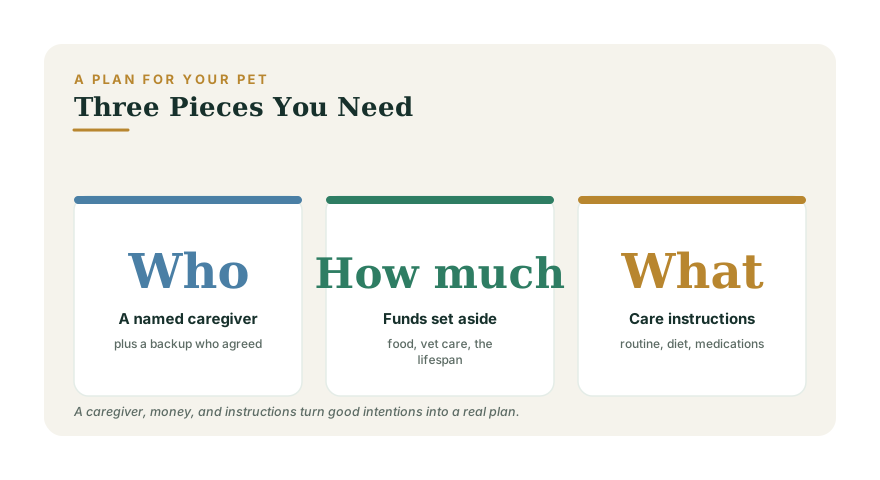
A complete pet plan has three parts: a willing caregiver (with a backup), funds sized to the animal's real needs and lifespan, and written instructions a stranger could follow. None of it requires a fortune or a lawyer on retainer — a simple pet trust provision can be added to an existing plan. To see whether your overall plan accounts for everyone who depends on you, pets included, run the Estate Readiness assessment.