Dental and vision insurance feel like obvious purchases — of course you want coverage for your teeth and eyes. But these plans work very differently from major medical insurance, and for many people the math does not favor buying a standalone policy. The key is to run the numbers on your actual needs rather than assuming coverage is always the smart move.
Why these plans are different
Real insurance protects you against rare, catastrophic costs — the things that could bankrupt you. Dental and vision plans do the opposite: they cover small, routine, predictable expenses and then cap the big ones. A typical dental plan has an annual maximum benefit of around $1,000 to $1,500. Once the plan pays that much in a year, you are on your own — exactly when a major procedure like a crown, root canal, or implant would benefit you most. That cap has barely moved in decades even as dental prices rose, so the protection it offers against a true dental emergency is thin.
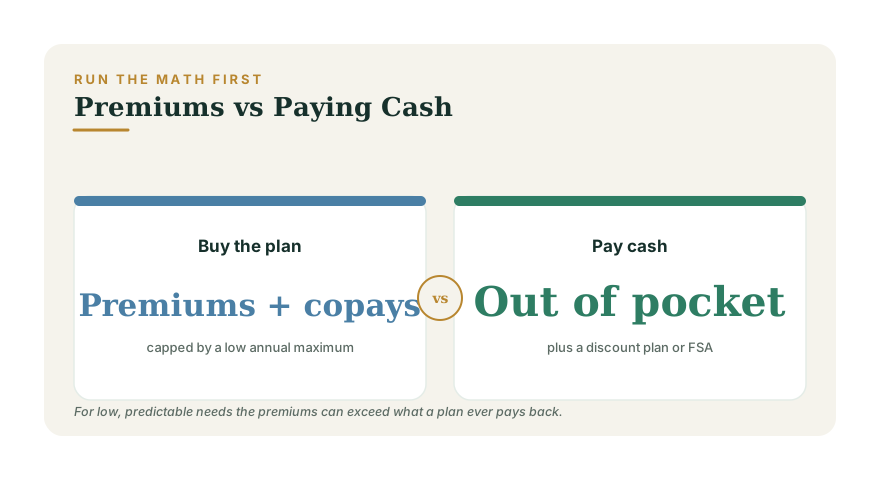
The simple math
To decide whether a plan is worth it, compare two numbers over a year:
- What you pay: annual premiums + any copays and coinsurance.
- What the plan pays back: the value of covered cleanings, exams, and any work, up to the annual maximum.
For dental, plans usually cover two cleanings and exams a year at or near 100%. If that is essentially all you use, add up a year of premiums and compare it to what two cleanings would cost in cash. Often the premiums roughly equal or exceed the cash price of the cleanings — meaning you are pre-paying for routine care with little real insurance attached. Vision plans are similar: they cover an annual eye exam and a fixed allowance toward glasses or contacts. If you do not need new lenses every year, the premium may exceed the benefit.
The plans become worth it when you reliably use enough care to clear the break-even — for example, a family with kids in braces, or someone who needs ongoing dental work. This is the same break-even thinking behind self-insuring when it makes sense: if the worst case a plan covers is small and you can absorb it, paying cash is often cheaper than paying premiums.
The fine print that erodes value
Standalone dental and vision plans often come loaded with restrictions: waiting periods before major work is covered, annual deductibles, missing-tooth clauses, and coinsurance that leaves you paying 50% of major procedures even within the maximum. Read these the same careful way you would read any policy — the checklist in How to Shop for Insurance applies here too.
Cheaper alternatives
If a traditional plan does not pencil out, you have options:
- Dental discount plans. For an annual membership fee, these give you a fixed discount (often 10–60%) on services at participating dentists. They are not insurance — there is no maximum and no claims — just a negotiated lower cash price. For people who mainly want predictable savings on routine care, they can beat insurance.
- FSA or HSA dollars. Dental and vision costs are qualified medical expenses, so paying with pre-tax money from a Flexible Spending Account or HSA effectively discounts them by your tax rate. If you are choosing between those accounts, see FSA vs HSA: Which One.
- Cash and shop around. Many dentists and optical shops offer cash discounts or membership programs directly, and online retailers sell glasses and contacts far below in-store prices.
When employer coverage is worth taking
Standalone plans you buy yourself are the ones to scrutinize. Employer-sponsored dental and vision are a different story. Employers often subsidize part of the premium, and group rates are typically lower than what you could buy alone. If your employer covers part of the cost, the math usually tips toward enrolling — even modest subsidies can make the plan a net win. Check during open enrollment what your share of the premium actually is before deciding.
The bottom line
Do not buy dental or vision insurance on autopilot. Estimate the care you realistically expect this year, total the premiums and copays, and compare that to paying cash, possibly paired with a discount plan and pre-tax dollars. Take subsidized employer coverage when it is offered; scrutinize standalone policies you buy on your own. A few minutes with a calculator can save you from pre-paying for benefits you will never fully use — run your numbers through the Insurance Calculator and a quick Financial Wellness check.