If you are juggling several credit-card balances at 20-plus percent interest, two products promise the same relief: bundle everything into one place at a lower cost. A debt consolidation loan replaces your cards with a single fixed-rate installment loan. A balance transfer card moves your balances onto a new card that charges zero percent for a promotional window. They look interchangeable, but they reward very different borrowers.
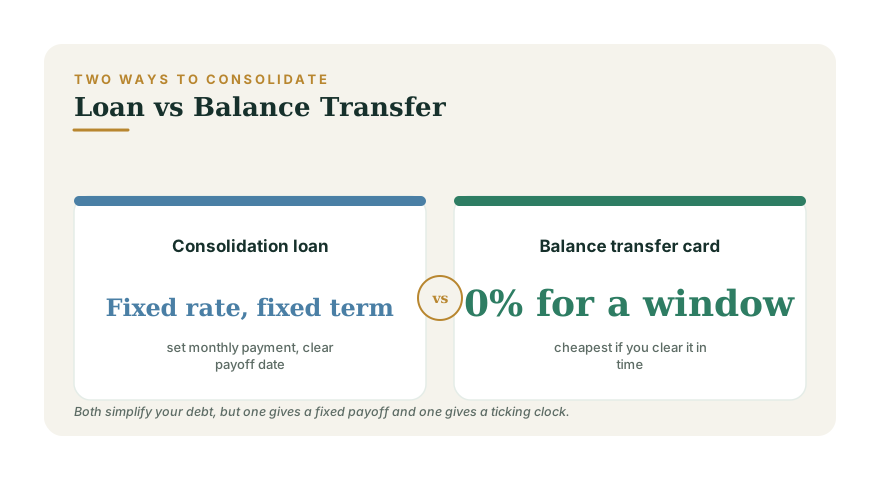
How each one actually works
A consolidation loan is a plain personal loan from a bank, credit union, or online lender. You borrow a lump sum, pay off your cards, and then repay the loan in equal monthly installments over a set term — often three to five years — at a fixed interest rate. The payment never changes and there is a guaranteed payoff date. A balance transfer card is different: you open a new credit card with a promotional 0% APR on transferred balances for a fixed number of months, move your existing balances over, and pay no interest during that window. Most charge a one-time transfer fee, typically 3% to 5% of the amount moved. The full mechanics live in Balance Transfer Cards, Explained.
When the balance transfer wins
If your total balance is modest and you can realistically clear it within the promotional window, the balance transfer is usually cheaper — often dramatically so. Zero percent for 12 to 21 months, minus a small transfer fee, beats any loan rate. The math works when three things are true: the balance is small enough that dividing it by the promo months produces a payment you can actually make, your credit is good enough to qualify for a long 0% offer, and you have the discipline to attack it. This is the tool for someone who overspent for a stretch and needs a runway to recover, not a permanent fix.
When the consolidation loan wins
The loan wins when your balance is larger, your timeline is longer, or you know yourself well enough to want a payment you cannot wriggle out of. A fixed installment loan forces progress — every payment retires principal, and the debt is gone on a known date. There is no cliff where the rate jumps. It also does not tempt you to keep spending on the account, because a loan is not a revolving line. For someone consolidating five figures of debt they will need several years to clear, a loan at a reasonable fixed rate is steadier and safer than gambling on paying off a huge balance before a promo expires.
The traps that erase the savings
Both products can backfire, and the failure modes are predictable:
- The balance transfer cliff. If any balance remains when the 0% window ends, the regular APR — often 20% or more — kicks in on what is left. Miss the payoff and you are back where you started, minus the fee you paid to get there.
- Deferred vs waived interest. Read whether interest is truly waived or merely deferred. With some offers, failing to clear the balance in time retroactively charges interest from day one.
- Running the cards back up. The single most common way consolidation fails: you free up your old cards, then spend on them again, and now you owe the loan or transfer plus new card debt. The Consumer Financial Protection Bureau warns that consolidation only helps if you stop adding new debt (consumerfinance.gov).
- Fees and teaser math. A transfer fee or a loan origination fee eats into the savings, so compare the true all-in cost, not just the headline rate.
These are the same patterns catalogued in Debt Consolidation Traps. Neither product reduces what you owe — they only change the interest and the structure.
Run your own numbers
The right answer is arithmetic, not preference. Add up your balances and their rates, then compare two scenarios: the loan payment at its fixed rate over its term, versus the balance-transfer payment needed to clear the balance before the promo ends (including the transfer fee). Whichever produces a lower total cost and a payment you will actually make every month is your winner. The Debt Payoff Planner lets you model both, and if consolidating might ding your credit temporarily, the Credit Score Simulator shows the likely effect of opening a new account.
The bottom line
Choose the balance transfer for smaller balances you can clear inside the 0% window; choose the consolidation loan for larger balances that need a fixed, unavoidable payoff over years. Either way, the product is only the easy part — the hard part is not refilling the cards you just cleared. Once your rate is lower, decide whether extra cash should keep attacking the debt or start building wealth in When to Pay Down Debt vs Invest, and map the full plan at the planning hub. Not sure where you stand? Start with the Financial Resilience check.