Losing a job is stressful, but the money side is more controllable than it feels in the first 48 hours. The single most useful thing you can do is slow down and work a sequence rather than panic-react. The goal of the first week is not to fix everything — it is to stop the bleeding and protect the decisions that are hard to reverse.
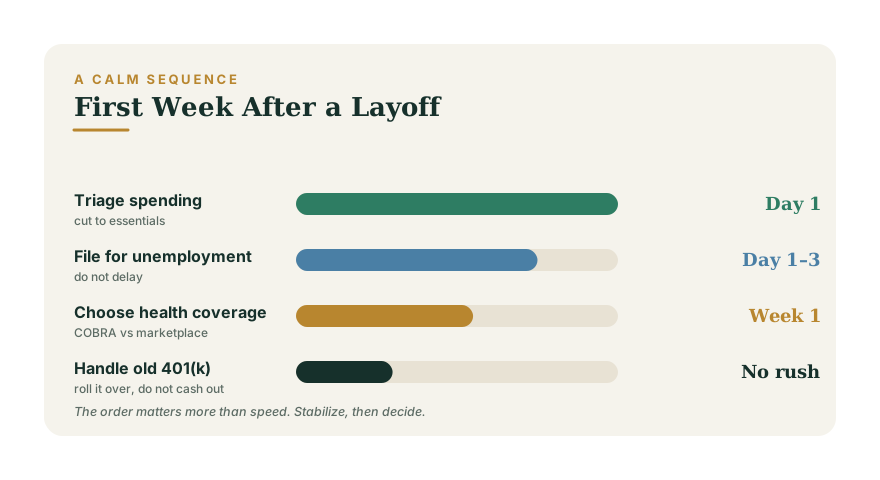
Triage your spending immediately
Before anything else, shift your budget into survival mode. Separate your spending into two piles: essentials (housing, utilities, food, insurance, minimum debt payments, transportation to interviews) and everything else. Pause the second pile — subscriptions, dining out, discretionary shopping — not forever, just until income returns. This is not about misery; it is about extending your runway so you can job-hunt from a position of calm rather than desperation. The gentle, non-punishing way to do this is in How to Cut Expenses Without Making Yourself Miserable.
This is also the moment your emergency fund earns its keep. If you have three to six months of essentials saved, you have bought yourself time to make good decisions instead of forced ones. Knowing exactly how many months you can cover — run it through the Emergency Fund Calculator — turns vague dread into a concrete timeline.
File for unemployment right away
Apply for unemployment benefits as soon as you are separated — do not wait until savings run low. Benefits are administered by your state, eligibility usually covers layoffs and no-fault separations, and there is often a waiting week, so an early filing means money arrives sooner. Have your employment dates and earnings history ready. Even if the weekly amount feels modest, it offsets your burn rate and stretches your savings further. Remember that unemployment benefits are taxable income, so consider having tax withheld or setting a little aside.
Choose health coverage deliberately: COBRA vs the marketplace
Losing a job usually ends your employer health plan, but you have options, and the choice has real money in it.
- COBRA lets you keep your exact same employer plan, doctors and all, but you now pay the full premium — including the part your employer used to cover — so the price often triples. It is most worth it if you are mid-treatment and cannot disrupt your providers.
- The ACA marketplace is frequently the cheaper path. A job loss is a "qualifying life event" that opens a special enrollment window, and because your income just dropped, you may qualify for substantial subsidies that make a marketplace plan far cheaper than COBRA.
For many people the marketplace wins on cost, but compare an equivalent plan both ways before deciding. Whatever you choose, do not go uninsured — one accident can undo years of savings.
Handle the old 401(k) calmly — do not cash it out
There is no rush here, which is exactly why people make mistakes. The worst move is cashing out the balance: you would owe income tax plus, if you are under 59½, a 10% early-withdrawal penalty, and you would permanently lose decades of compounding. You generally have a few choices: leave it in the old plan (if allowed), roll it into your new employer's plan later, or roll it into an IRA, which usually offers the most investment freedom and lowest fees.
The cleanest method is a direct rollover, where the money moves trustee-to-trustee and never touches your hands, avoiding withholding traps. The pitfalls to sidestep are covered in 401(k) Mistakes That Quietly Cost You. If you genuinely need cash to survive, exhaust unemployment, an emergency fund, and lower-cost options first.
Protect your credit and renegotiate where you can
A stretch without income is exactly when an unexpected late payment can do lasting damage, so keep at least the minimums current on credit cards and loans to protect your credit score. If money gets tight, call your lenders before you miss a payment — mortgage servicers, card issuers, and even utilities often have hardship programs, forbearance, or temporary deferrals for people between jobs, but only if you ask early. A proactive call almost always beats a missed payment and a frantic one later.
Resist the urge to lean on credit cards to maintain your old lifestyle. New high-interest debt taken on during unemployment is one of the hardest holes to climb out of once you are re-employed, because the balance and interest follow you for years. Stretch savings and trimmed spending first; treat new debt as a genuine last resort.
Mind the emotional side of the money
A layoff is a blow to identity as much as to income, and money decisions made from fear or wounded pride tend to be poor ones — taking the first lowball offer out of panic, or splurging to feel normal. Give yourself a brief, honest reset, then work the checklist. The plan above is designed to remove urgency from the reversible decisions so your energy goes into the job search, which is where your real recovery lives.
Steady the ship, then look forward
Once spending is triaged, unemployment is filed, coverage is chosen, and your retirement money is protected, you have done the hard part. The rest is the job search itself, plus a monthly check on your runway. When a new offer comes, revisit your whole picture — benefits, retirement match, savings rate — on the planning hub so you restart on solid footing.